Practical planning advice for safaris in Kenya, Tanzania and Uganda, Zanzibar beach stays and mountain treks - written to help you decide, not to sell.
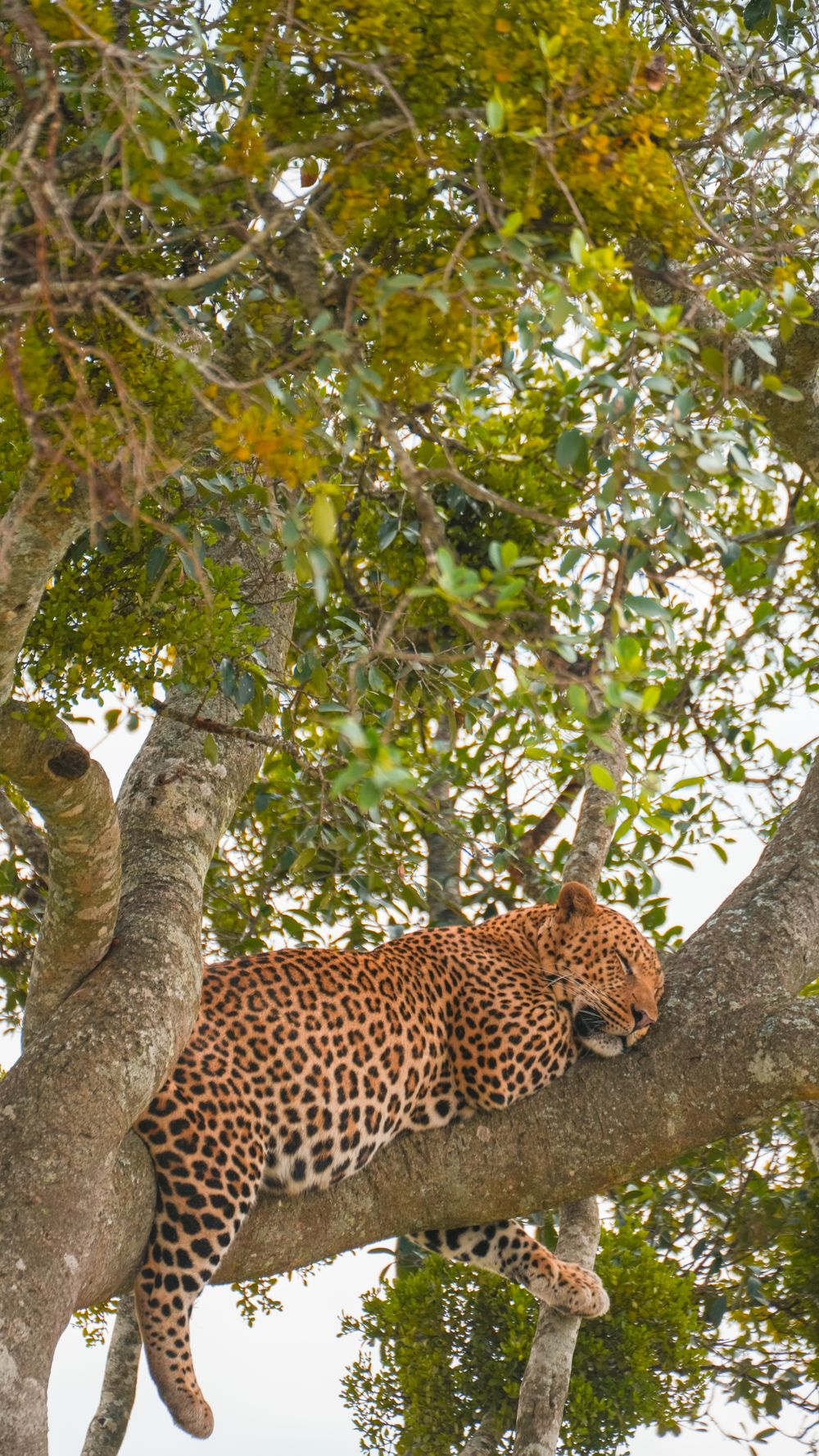
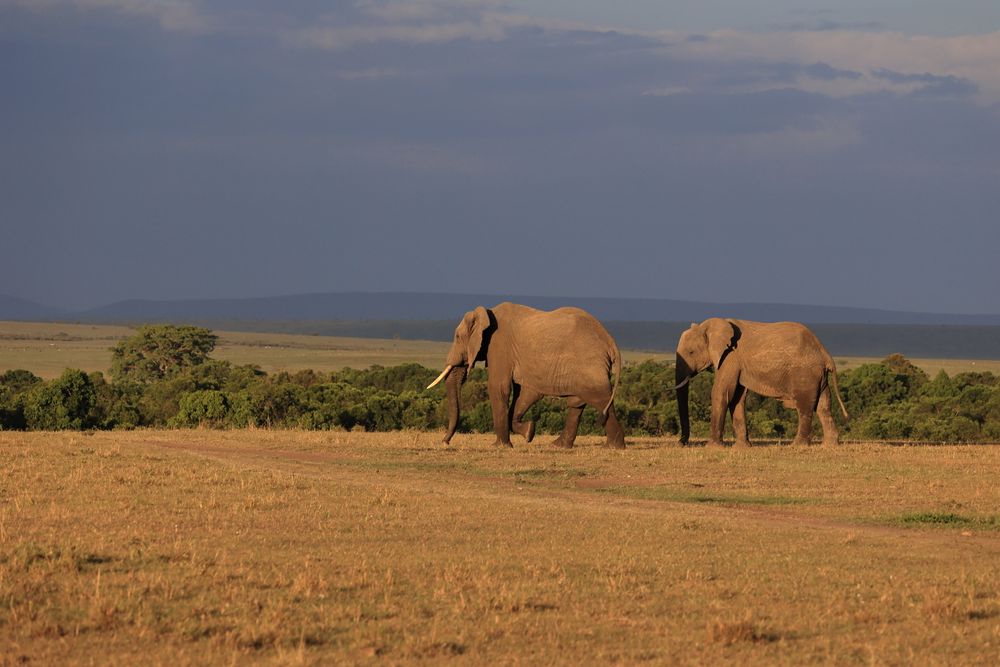
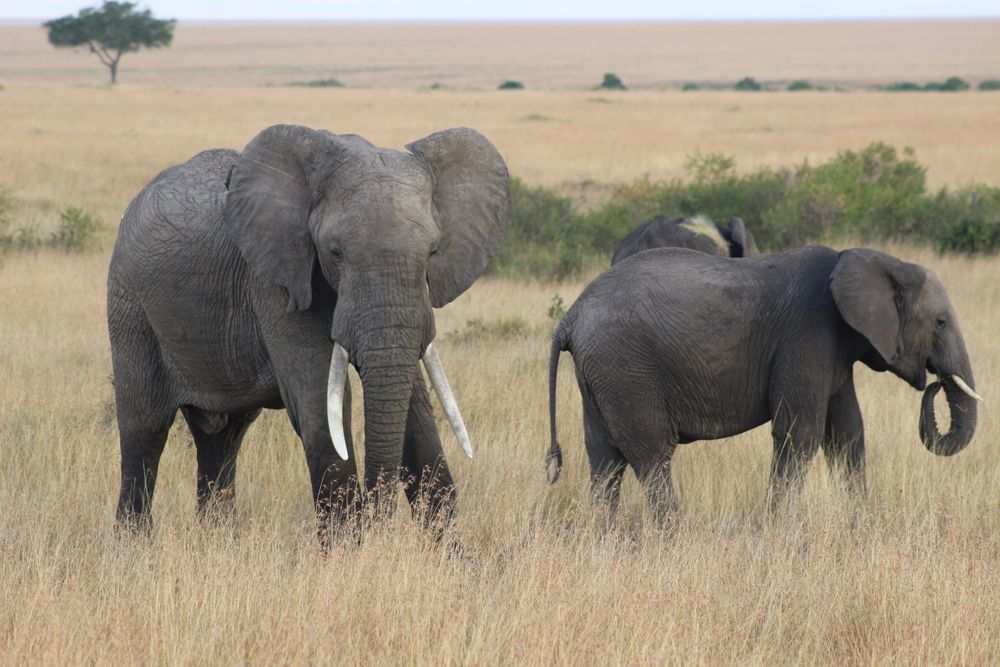
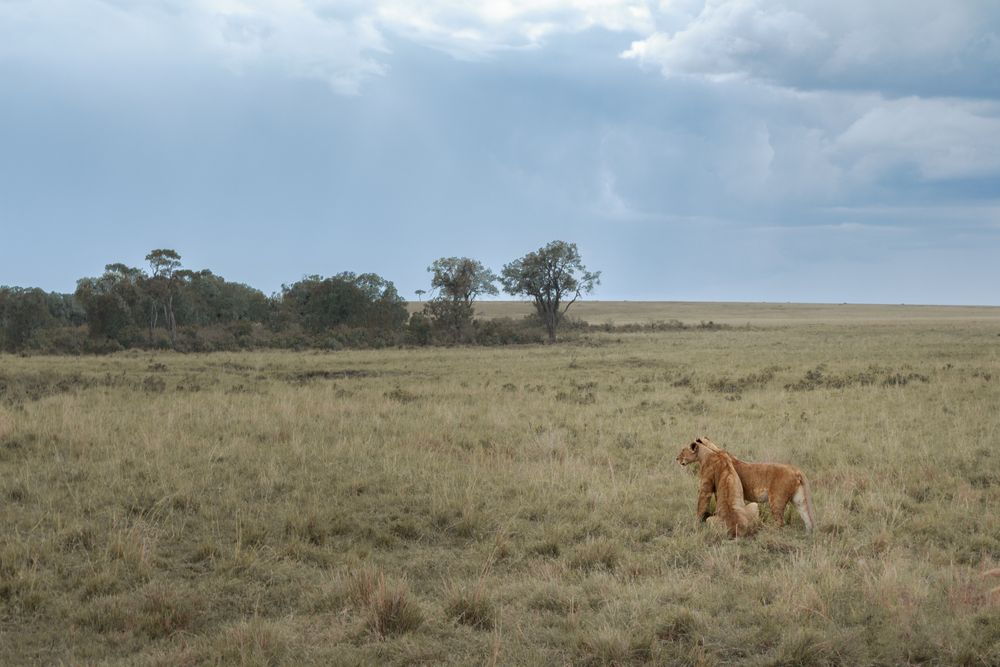
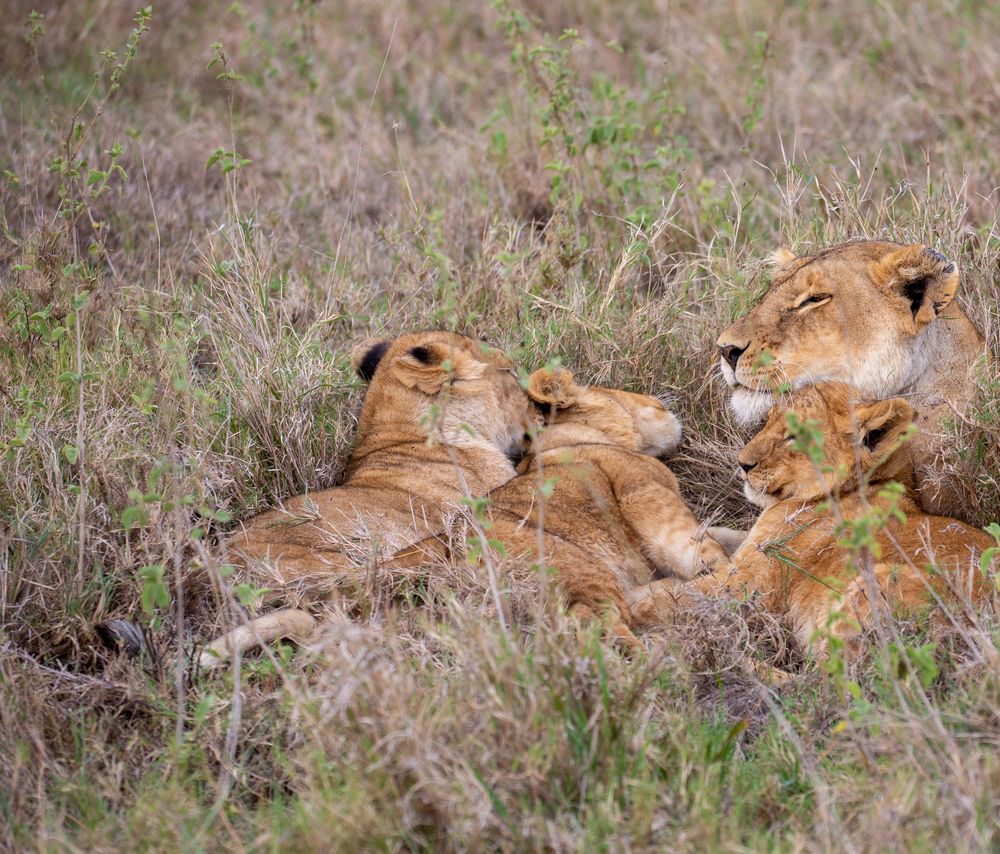
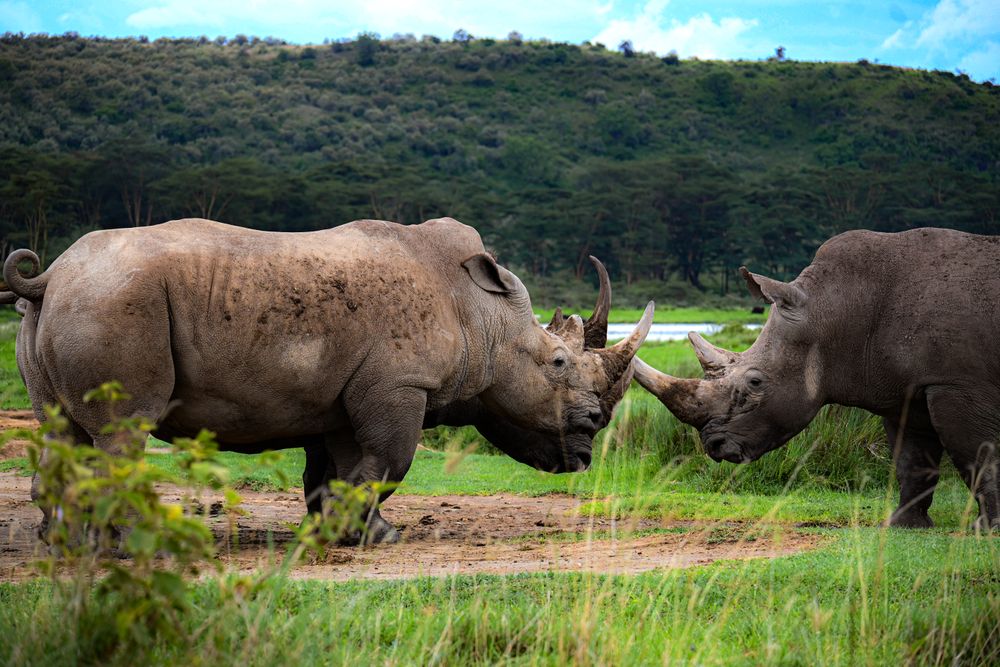
Lion, leopard, elephant, buffalo and rhino - which Kenya, Tanzania and Uganda parks give you the best chance of each, and why rhino is usually the hardest.
What really changes between a budget camping safari, a mid-range tented camp and a lodge - comfort, cost, location and the activities each allows.
How to plan a safari with children: suitable ages, the best parks and routes for families, keeping driving days short, health considerations and what helps kids enjoy it.
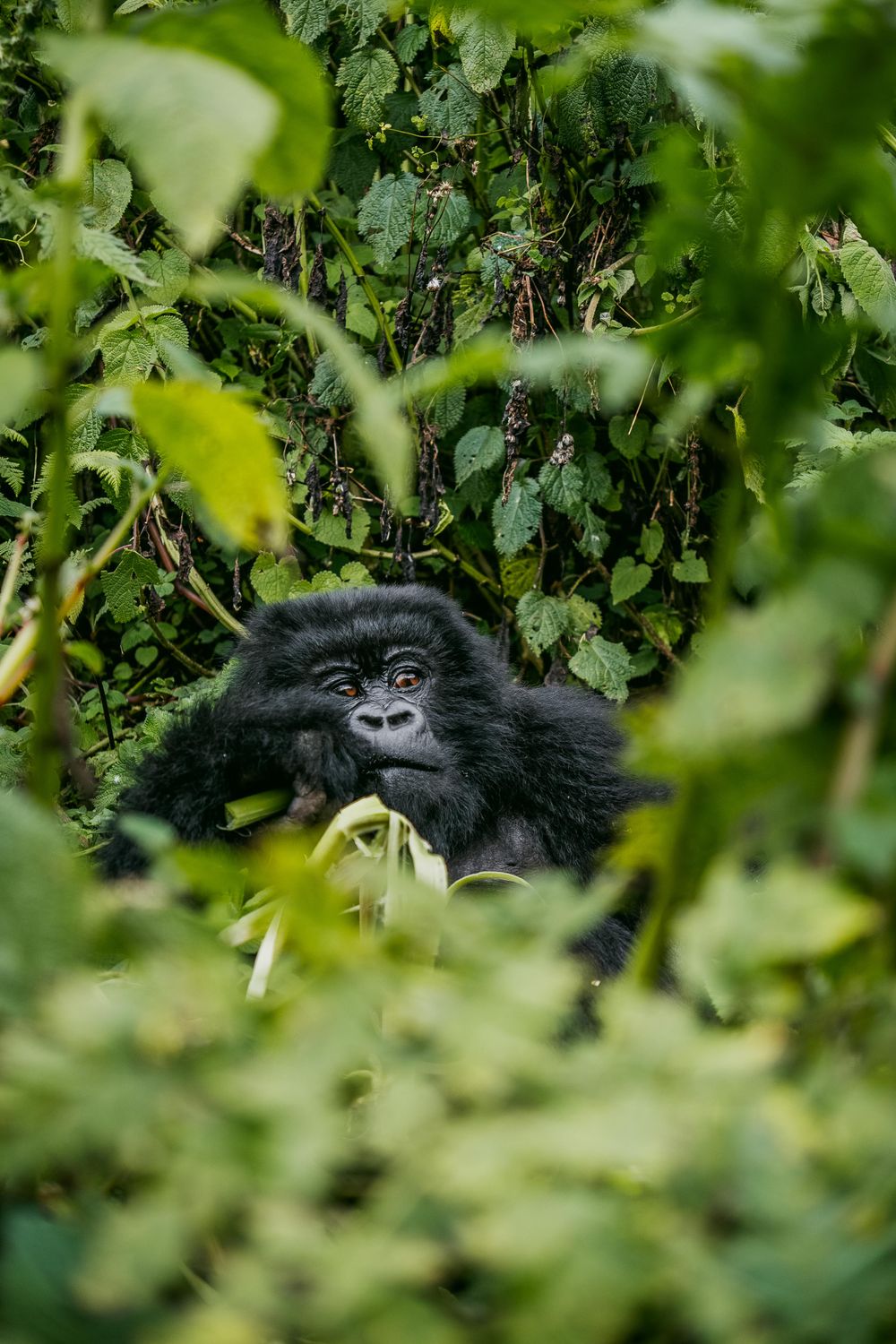
What actually happens on a gorilla trekking day in Bwindi or Mgahinga, how permits work, how fit you need to be and what to pack.
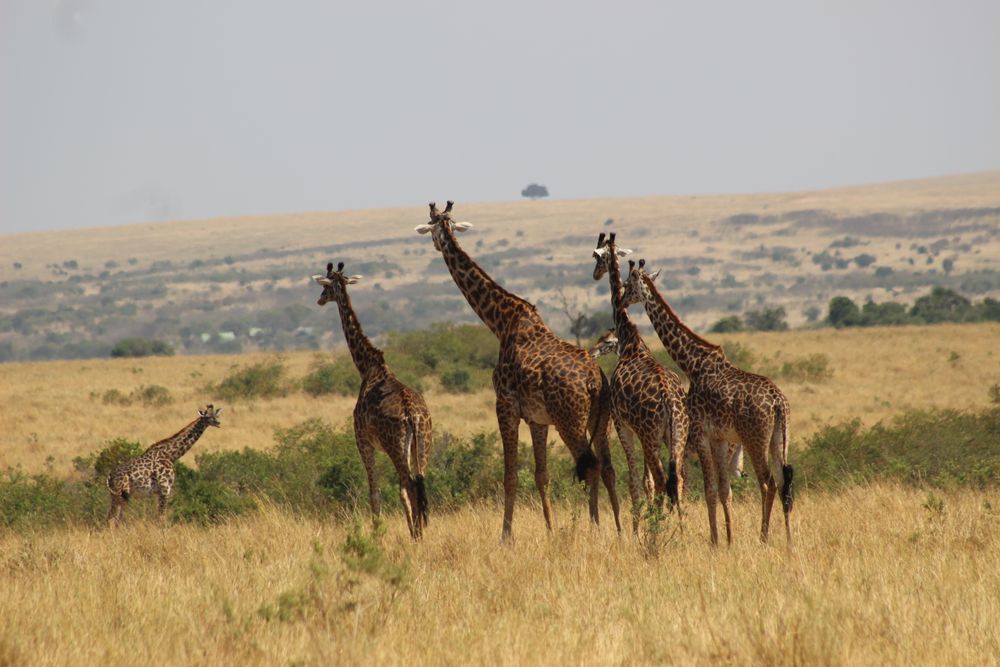
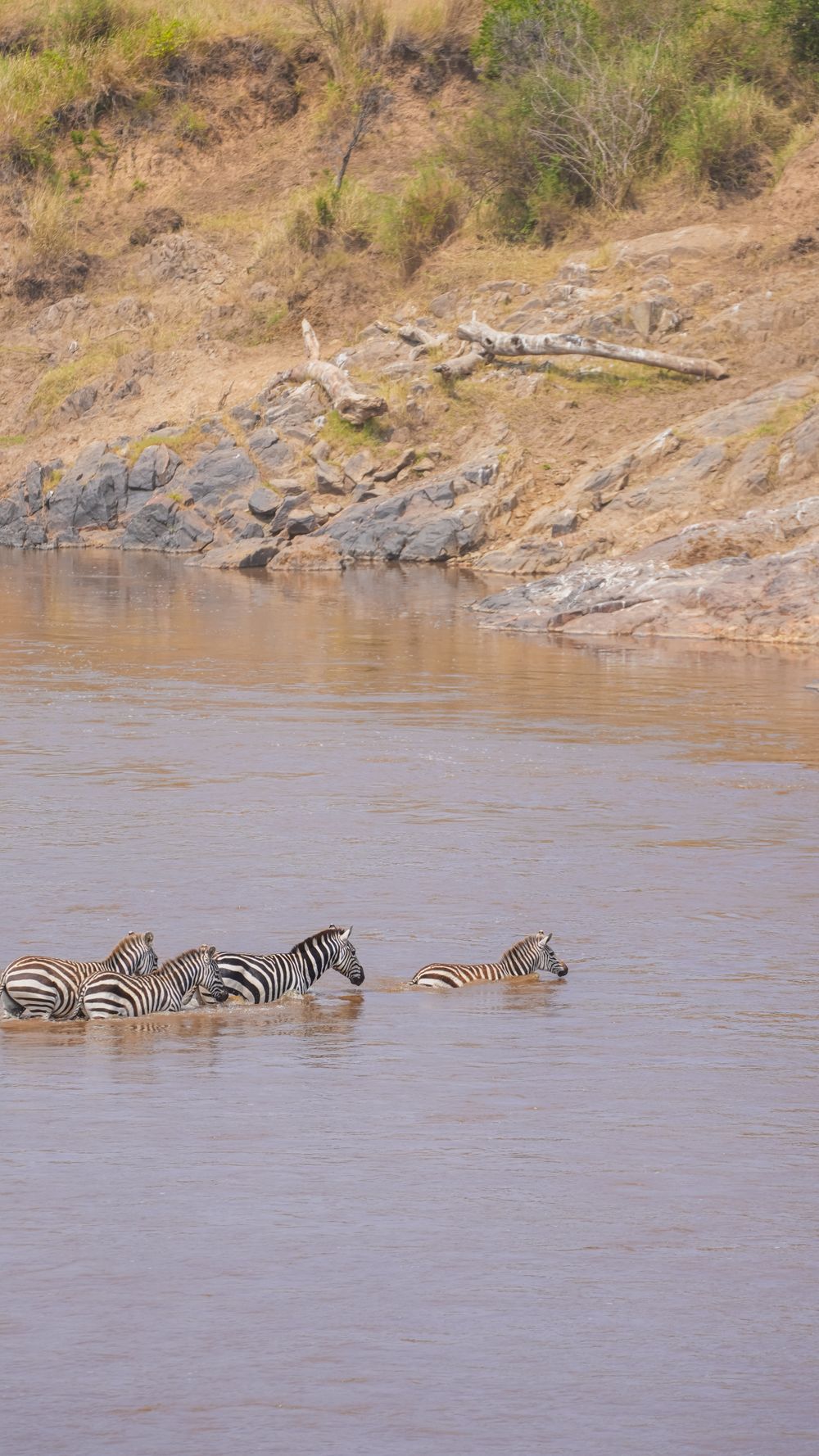
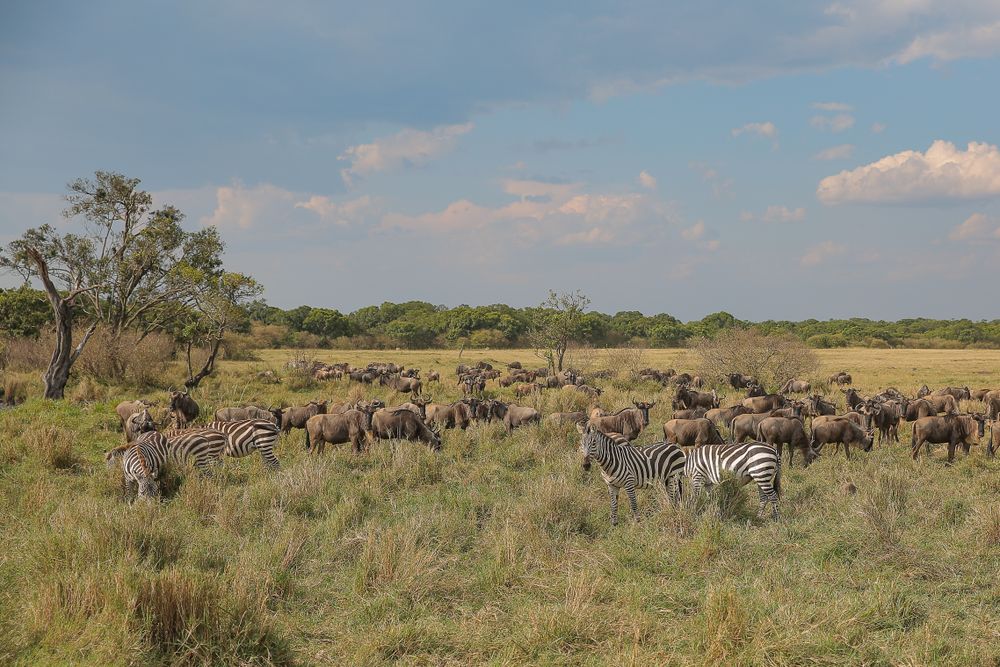
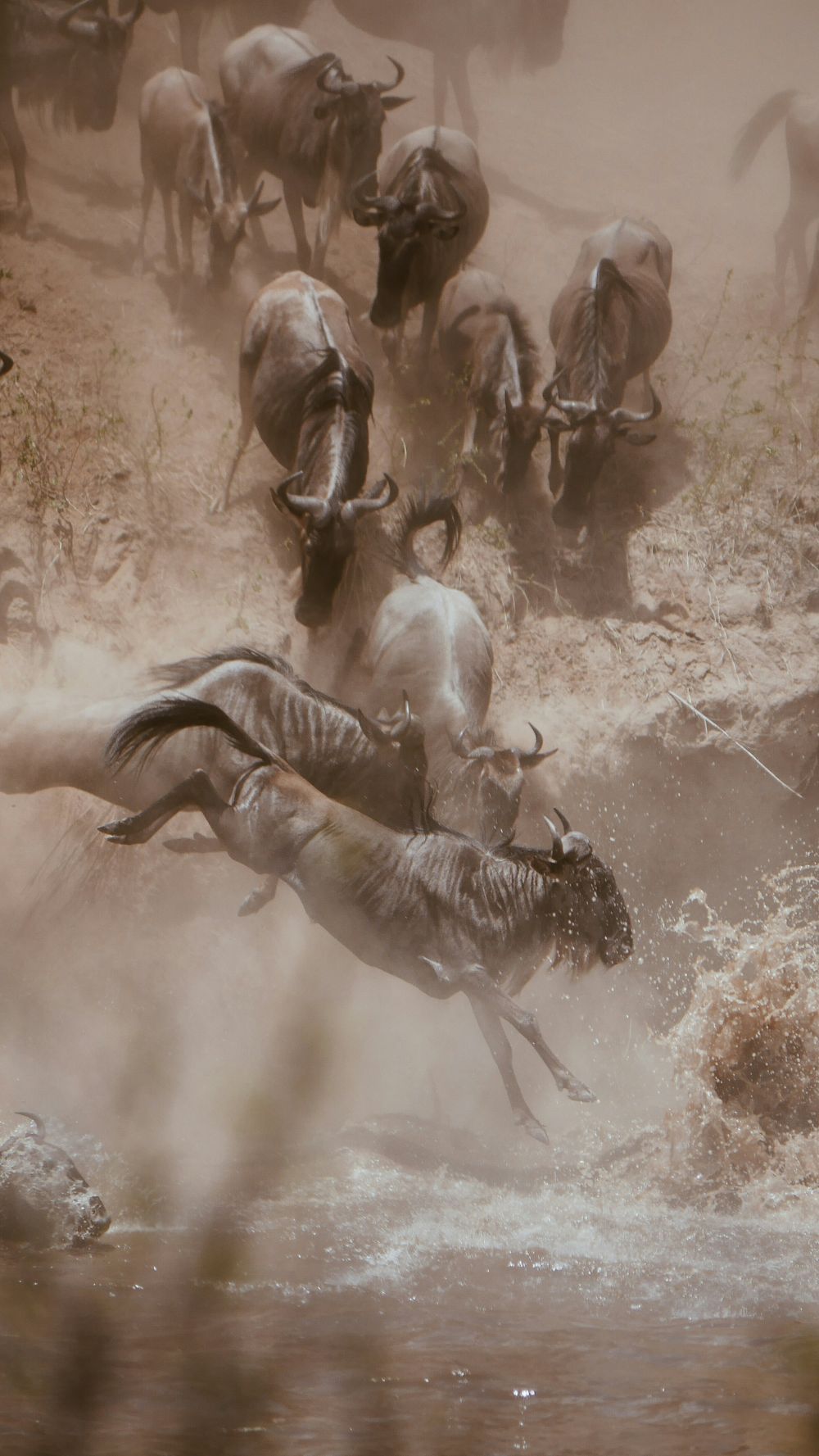
A plain-language guide to the annual wildebeest migration through the Serengeti and Masai Mara - where the herds tend to be each month, and how to plan around it.
What you can realistically see in 2, 3, 5 and 7 days in Kenya, how driving time affects each option, and when adding a day makes the biggest difference.
How Tarangire, Lake Manyara, the Ngorongoro Crater and the Serengeti fit together, how long to spend in each, and which itinerary length suits your trip.
Practical advice on adding Zanzibar to a Kenya or Tanzania safari - which way round to do it, how the flights work, how many nights to allow and which coast to choose.
How Uganda's parks fit together, realistic driving times, which combinations work for 3, 5 or 7 days, and when flying saves you time.
A realistic walk through a typical safari day - early starts, game drives, the midday break, the vehicle, your guide and the unwritten rules of a sighting.
Kenya no longer issues traditional tourist visas. Here is how the Electronic Travel Authorisation (eTA) works, who is exempt and when to apply.
Whether you need a yellow fever certificate for Kenya depends on where you are travelling from and through. Here is how the rule works, plus what changes if you continue to Tanzania or Uganda.
Kenya has wildlife all year. The best time for you depends on whether you want the migration, the lowest prices, green scenery or the fewest vehicles.
Kenya sits on the equator, but altitude shapes its weather more than latitude. Here is what temperatures and rain are like in the highlands, the parks and on the coast.
Calm, practical advice for a first trip to Kenya - safety, health, money, getting around Nairobi, photography and everyday etiquette.
What to check in a travel insurance policy before a Kenya, Tanzania or Uganda safari - especially medical evacuation, altitude limits for treks and activity exclusions.
Practical, no-lecture ways to make your safari better for wildlife and local communities - from sighting etiquette to where your money goes.
What works for paying your way in Kenya - US dollars, Kenyan shillings, cards and mobile money - and how much cash to carry on safari.
When to go to the Masai Mara for the migration, when to go for lower prices and fewer vehicles, and what each season is really like on the ground.
Rather than quoting a misleading average, this guide explains what actually moves the price of a Kenya safari - accommodation, season, group size, transport and park fees.
A practical safari packing list for Kenya and Tanzania - clothing colours and layers, footwear, camera gear, health items, documents and the things people forget.
Both countries share the Mara-Serengeti ecosystem. The real differences are in distances, costs, trip length and what each does particularly well - and you can also do both.
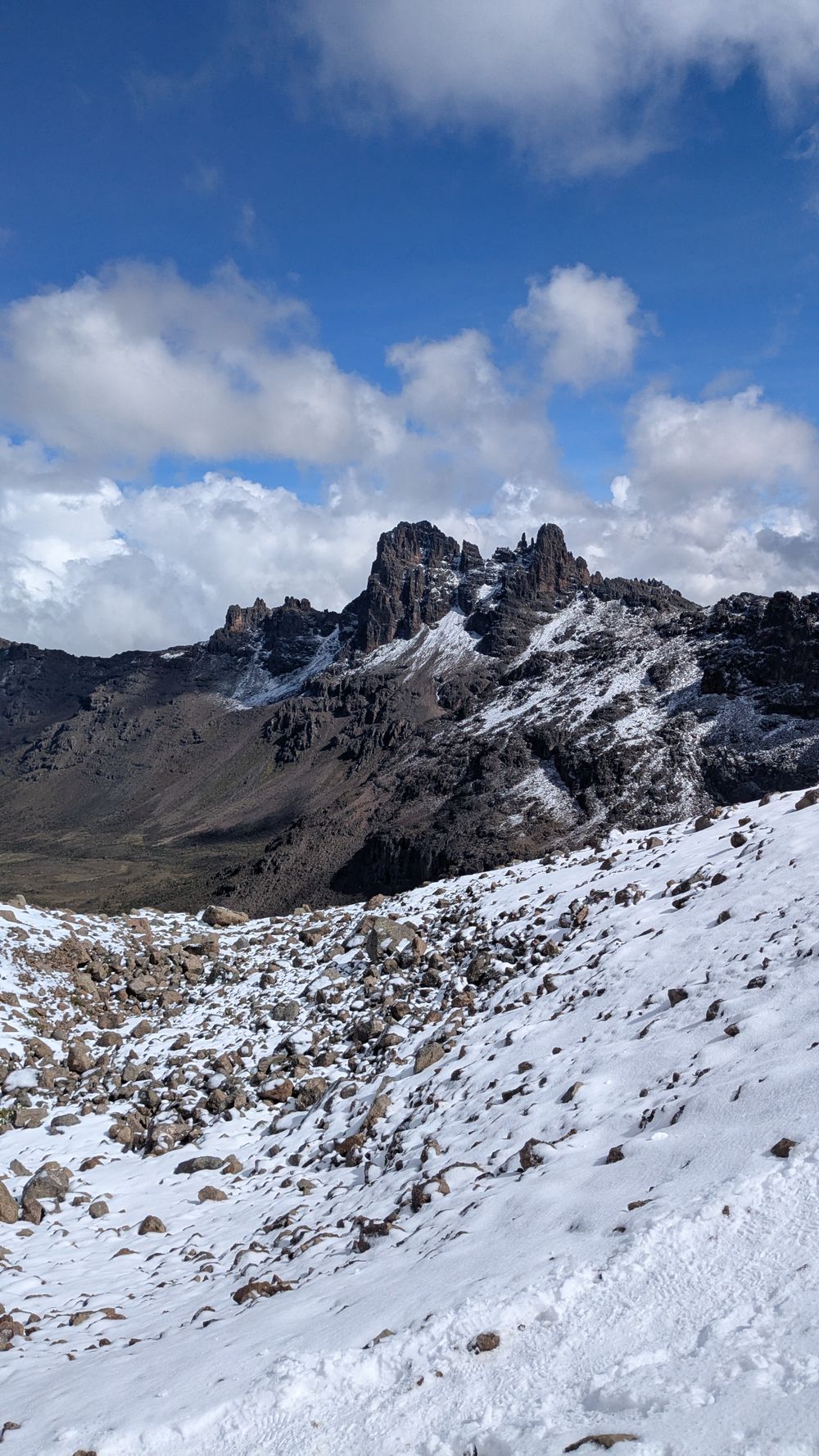
How to climb Mount Kenya to Point Lenana: choosing between Sirimon, Chogoria and Naro Moru, how altitude affects you, fitness, gear and the best months.
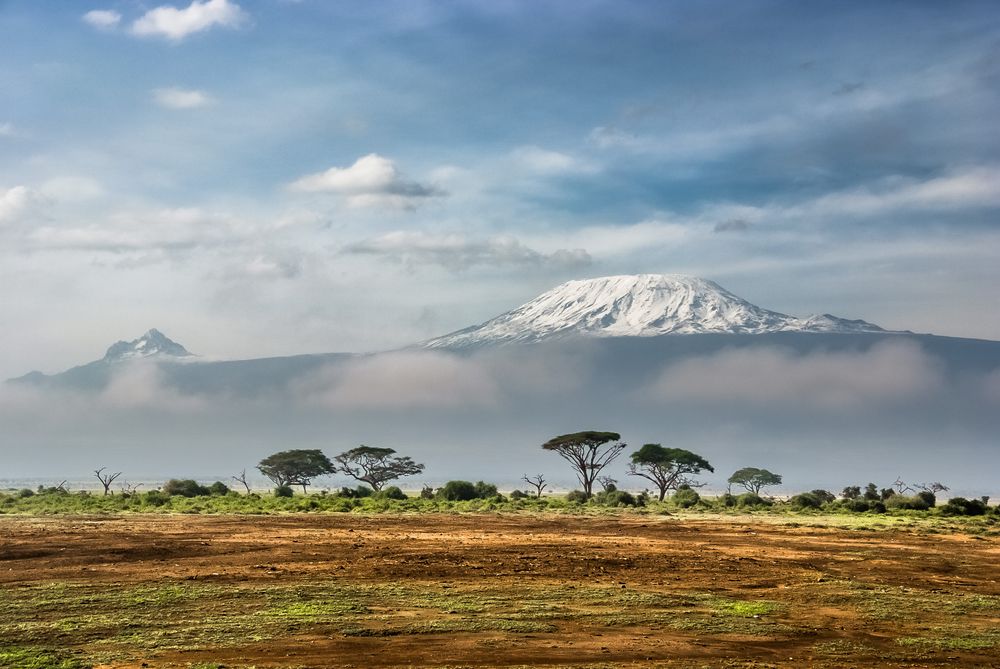
How to choose a Kilimanjaro route, why the number of days matters, what summit night is really like, and how to prepare for Africa's highest mountain.
Send us your dates and interests and we'll put together an itinerary and quote.