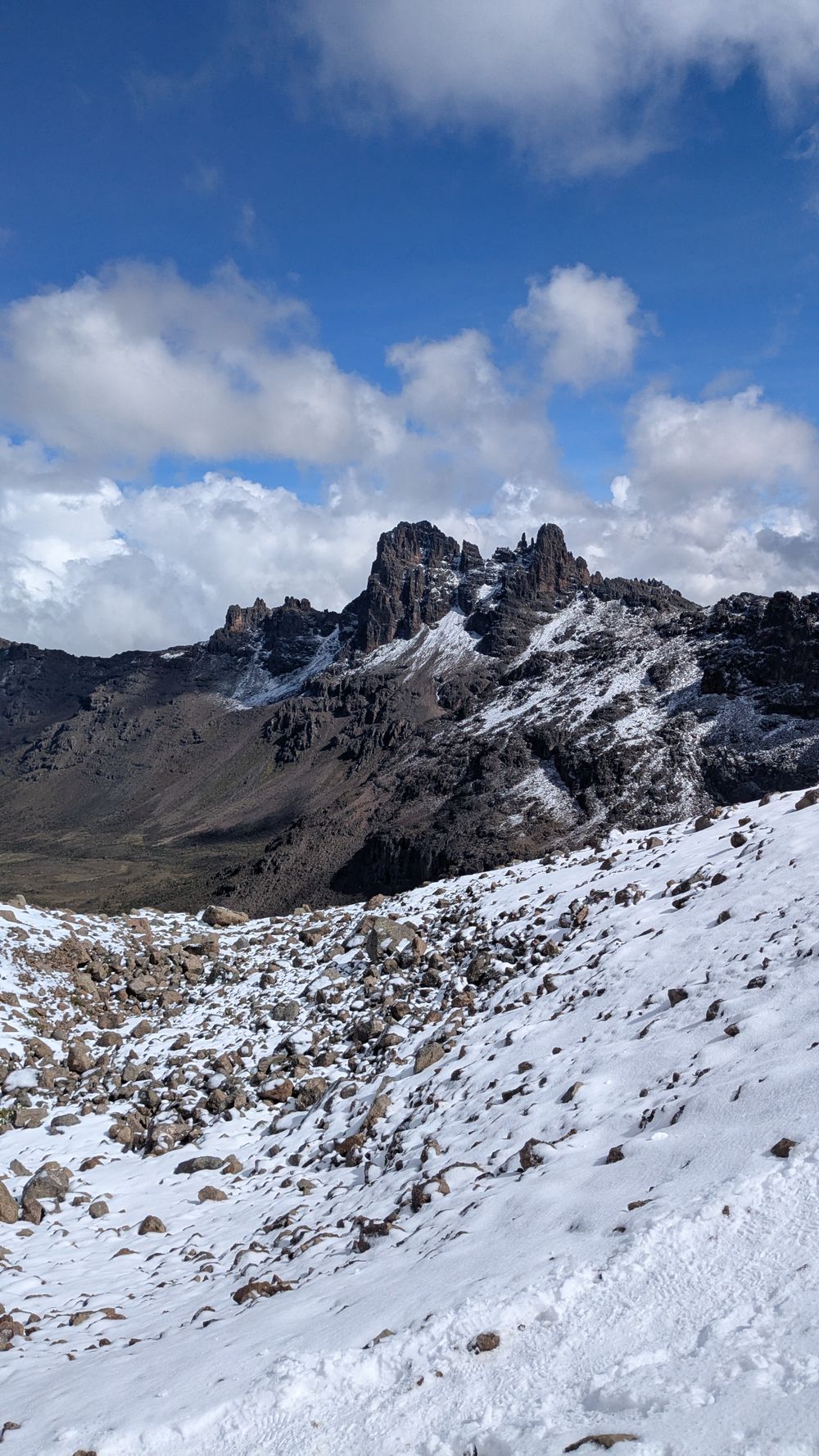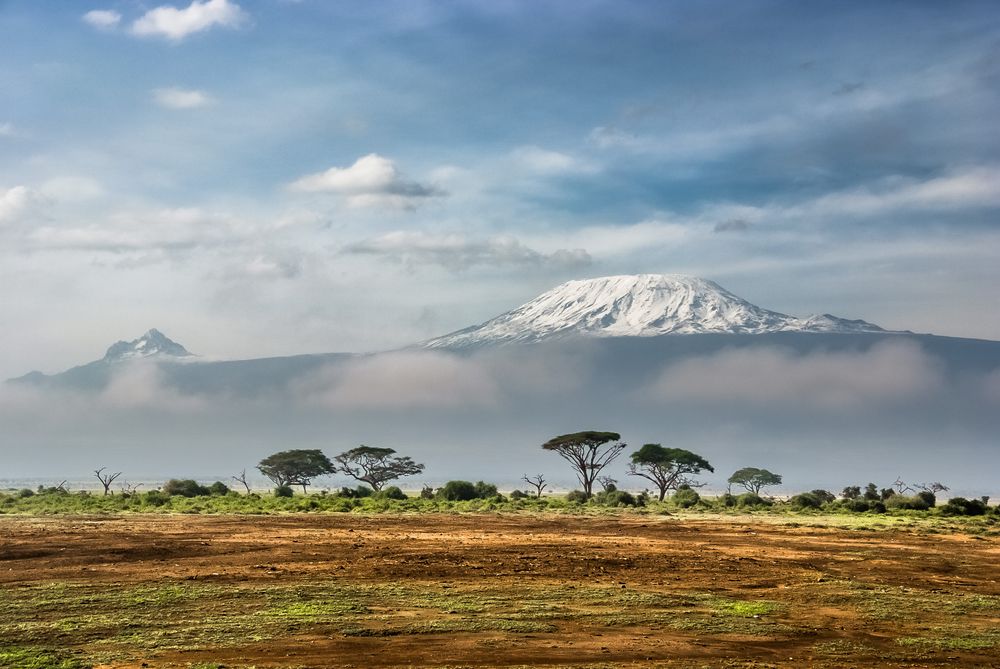
Kilimanjaro's summit, Uhuru Peak (5,895m), is reached on walking trails - no ropes or climbing experience needed. That makes it one of the most achievable high summits in the world for fit trekkers. But it is still a serious undertaking: the altitude is what turns people back, not the terrain.
The two choices that most affect your chances are which route you take and how many days you allow.
Your body needs time to adjust to lower oxygen. Longer itineraries - 7 or 8 days - include "climb high, sleep low" days that improve acclimatisation. Faster 5- or 6-day climbs save money but lower your chance of reaching the top comfortably.
On almost every route, you leave high camp around midnight and climb slowly in the dark and cold over loose scree. You reach the crater rim around dawn and continue to Uhuru Peak, then descend - often 10-14 hours of effort with little sleep. Being mentally prepared matters as much as fitness.
You need to walk 5-7 hours a day for several days, plus the long summit day. In the months before, do long hikes on consecutive days, ideally with a pack and some elevation gain. Discuss altitude medication with your doctor.
Much of this can be hired in Moshi or Arusha.
A Kilimanjaro climb involves a lead guide, assistant guides, a cook and porters who carry tents, food and equipment. Ask any operator how porters are paid, equipped and how heavy their loads are. Tips are an important part of crew income; we give you guidance on customary amounts before your climb.
The main dry windows are roughly late June to October and December to mid-March. April and May (the long rains) are usually avoided, and November can be wet.
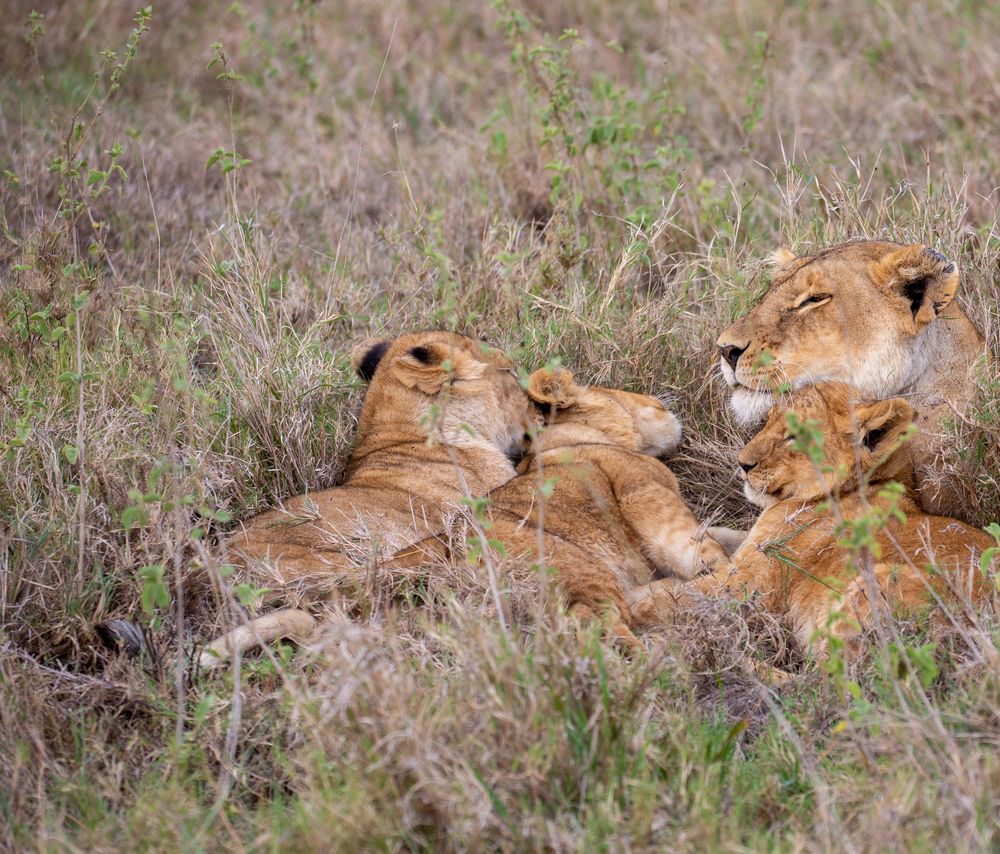
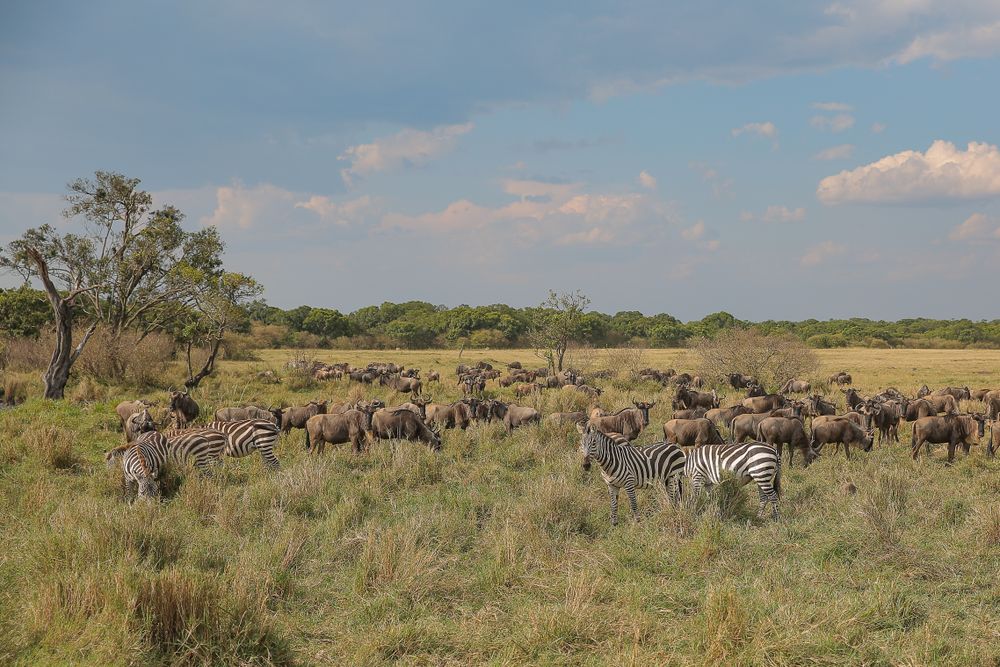
Kilimanjaro is close to the northern safari parks. Many climbers add a few days in Tarangire, the Ngorongoro Crater or the Serengeti after descending - see our northern Tanzania circuit guide.
Pick a route with enough days - 7 or more - train with long walks, prepare for a cold and tiring summit night, and choose an operator that looks after its crew. Our Mount Kenya guide is useful if you are comparing the two mountains.
Machame or Lemosho over 7-8 days, because of their acclimatisation profiles.
It varies by route, days and individual. We do not publish a figure because we do not hold verified statistics. Longer itineraries are generally regarded as giving better odds.
No technical experience is needed, but hiking experience and good fitness help a lot.
Tell us when you would like to climb and we will advise on the route and the best dates.