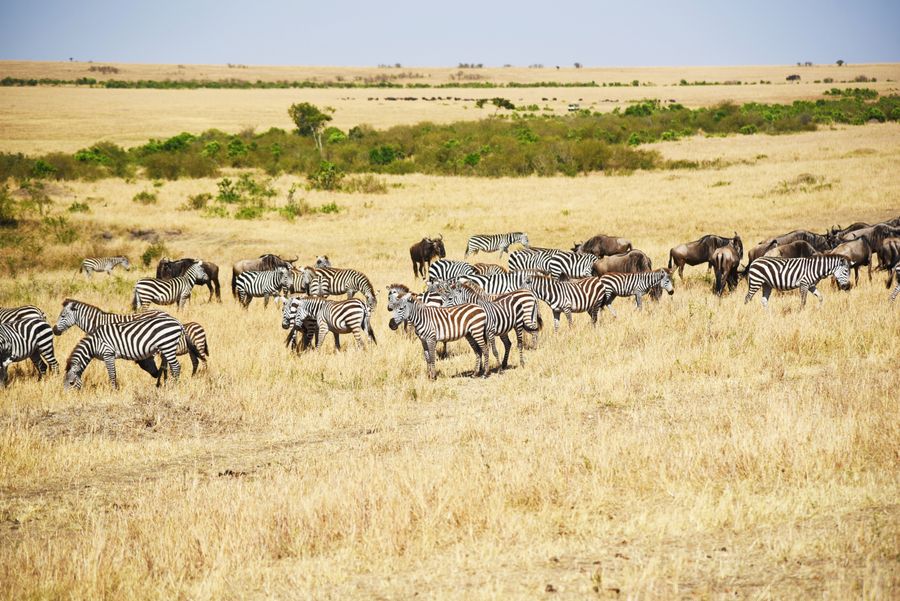
The Ngorongoro Crater is the collapsed caldera of an ancient volcano, roughly 20km across, with steep walls rising about 600m from the floor. Inside is a self-contained world of grassland, swamp, a soda lake and woodland, home to a dense population of animals that mostly stay put all year.
That density is why the crater is so well known. In a single half-day drive you have a real chance of seeing lion, elephant, buffalo, hippo, large herds of zebra and wildebeest, and - unusually - black rhino. It is one of the most reliable places in East Africa for a wide range of large mammals in one outing.
The crater is part of the larger Ngorongoro Conservation Area, where Maasai communities live and graze livestock alongside wildlife. It sits on the main road between Arusha and the Serengeti, so most itineraries include it on the way in or out.
From the rim, at over 2,200m, you look down onto a flat floor dotted with the shallow, alkaline Lake Magadi, the Ngoitokitok spring and swamp, and the Lerai fever-tree forest. The rim itself is cool, misty and forested. Outside the crater, the conservation area includes highland farmland, the Olduvai Gorge and the edge of the Serengeti plains.
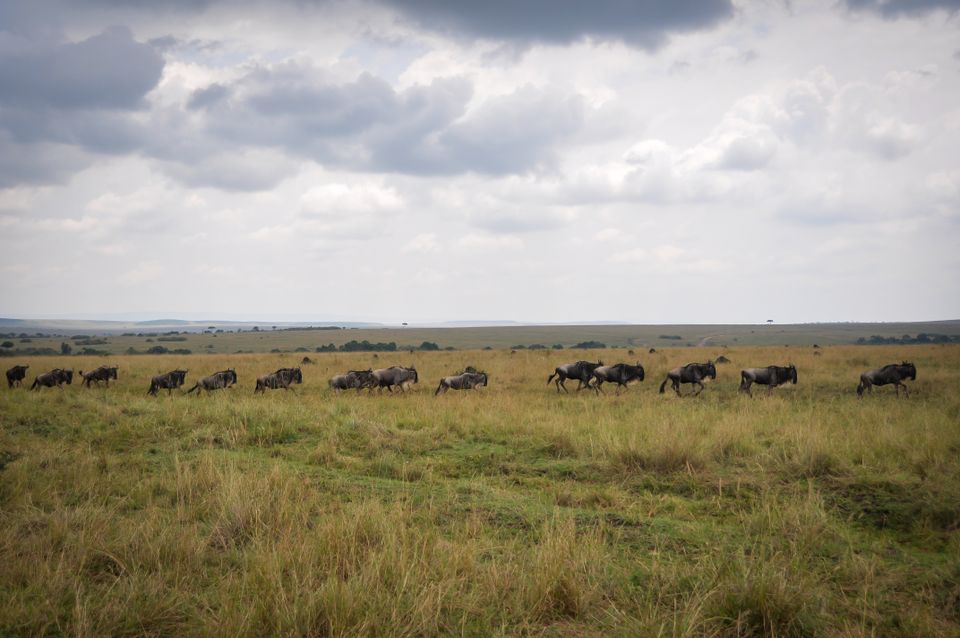
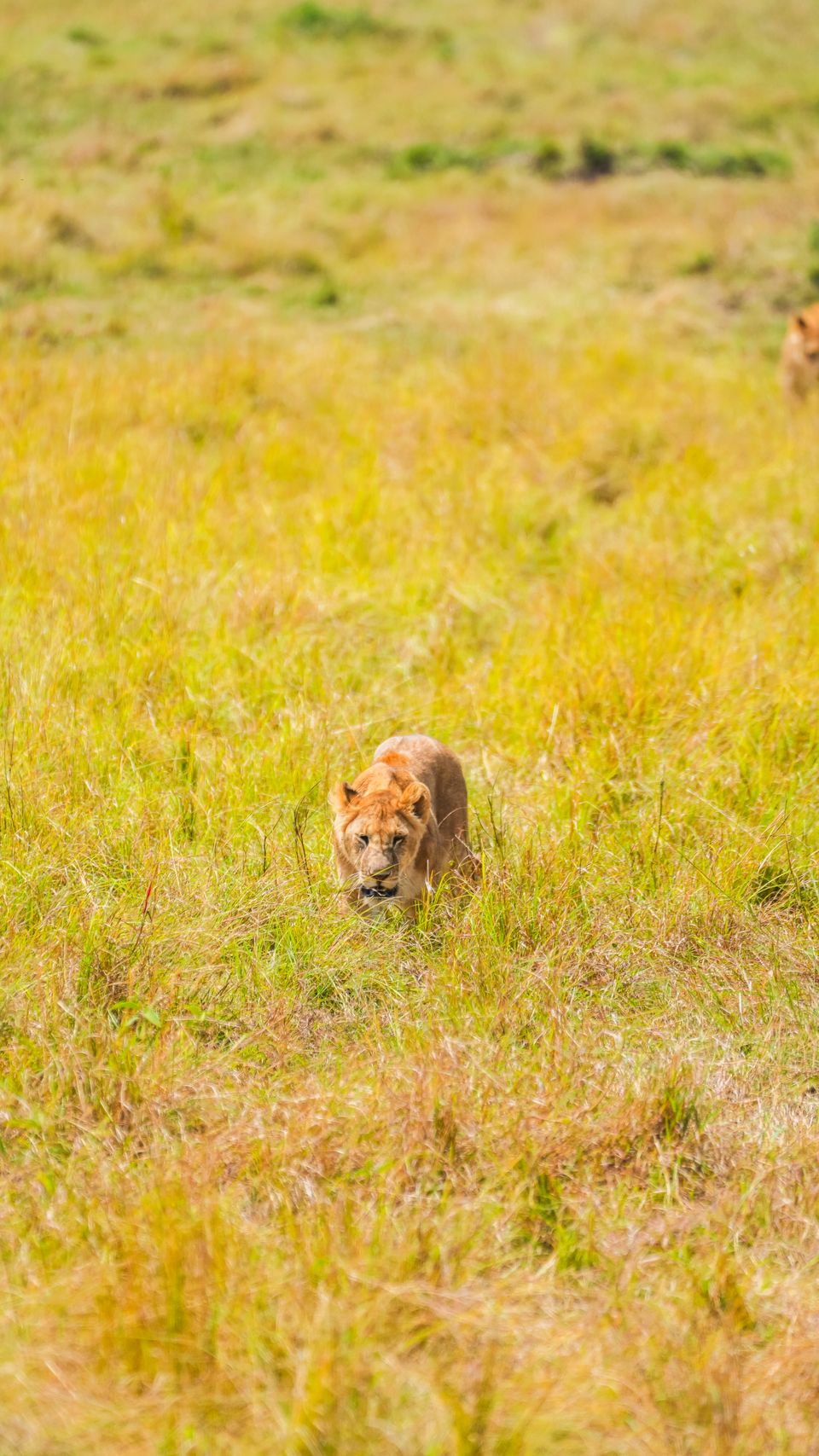
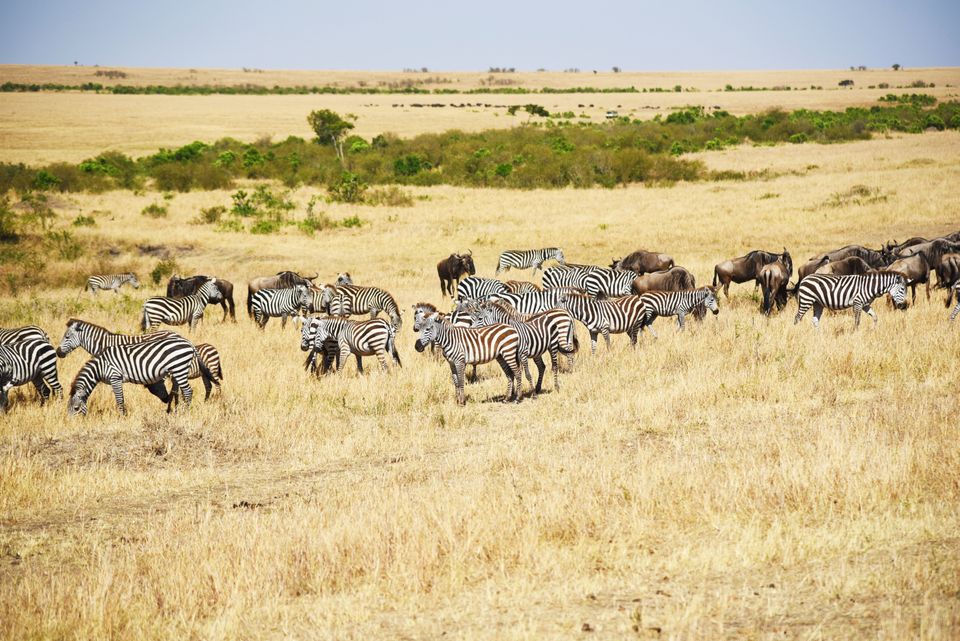
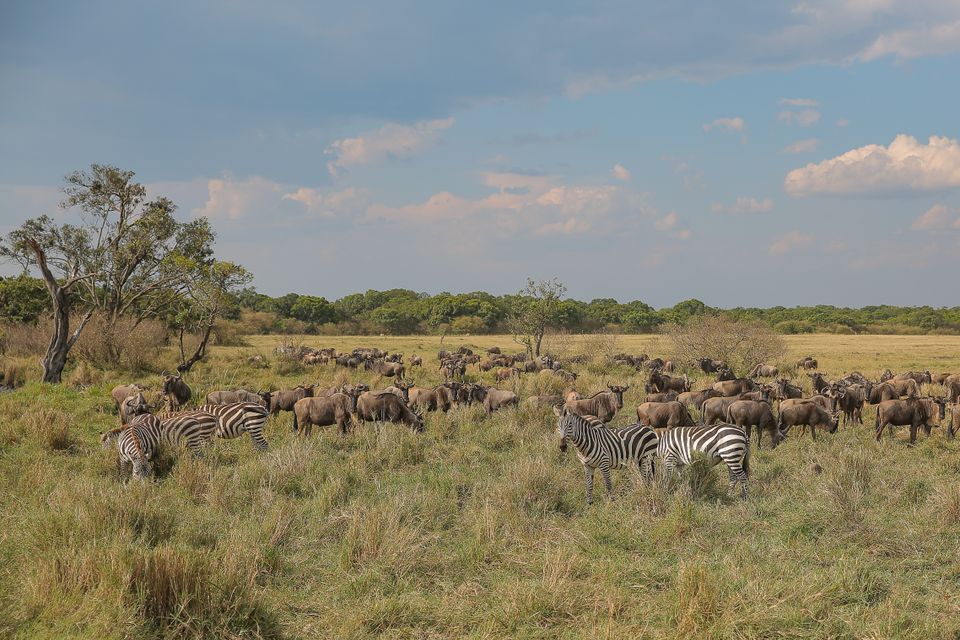
Black rhino are the crater's most sought-after sighting. They are usually seen at a distance on the open floor, so binoculars help. Lion and hyena are common, and the crater's elephants are mostly large old bulls with impressive tusks. Huge herds of zebra, wildebeest and buffalo graze the grassland. Leopard, giraffe and impala are absent or rare on the floor itself.
Half-day or full-day game drive on the crater floor, starting with an early descent
Crater rim viewpoints for the view over the caldera
A visit to a Maasai village in the conservation area
Olduvai Gorge and its museum, an important site for the study of human origins
Picnic lunch at a designated site on the crater floor
You drive down a steep road into the crater in the early morning, often in cool mist, and the floor opens up below you. Visits are limited to a set number of hours per day, and popular sightings can draw several vehicles. Despite that, the sheer number of animals in a small area makes it memorable. Bring a warm layer - the rim is cold at dawn.
The crater can be visited all year because its wildlife is resident. Early mornings offer the best light and fewer vehicles. The wet months make the floor greener and the surrounding highlands misty.
Read our full guide: Planning a Family Safari in Kenya or Tanzania »
The crater rim is about 2-3 hours by road from Arusha and lies on the route to the Serengeti. It is almost always combined with the Serengeti, Tarangire or Lake Manyara.
There is no accommodation on the crater floor. Lodges sit on the rim, many with views into the caldera, and others are in the highland town of Karatu, a short drive away.
A conservation area fee and a separate crater service fee apply
The rim is at high altitude and cold in the early morning
Time on the crater floor is limited per day
Combined itineraries often pay Ngorongoro fees when transiting to the Serengeti
Official park info: Ngorongoro Conservation Area Authority
For most people, yes. The variety of large animals in one compact area complements the wide-open Serengeti, and it is on the same route.
A half day covers the main areas. A full day with a picnic lets you slow down at sightings.
There is a fair chance, but black rhino are few in number and often far away, so it is never certain.
Tell us your dates and we'll build an itinerary that includes it.