Six days lets you see northern Tanzania without the sense of constantly packing up. The trip starts at Lake Manyara National Park, a compact park of groundwater forest, open floodplain and an alkaline lake under the Rift Valley wall. From there you move to Tarangire, spend two full days in the Serengeti and finish with a morning in the Ngorongoro Crater.
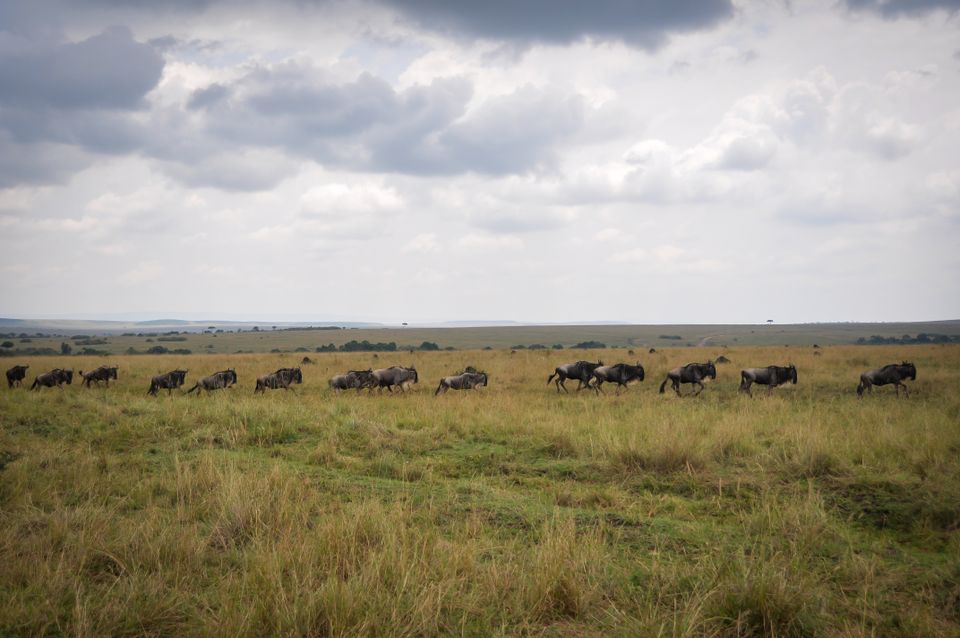
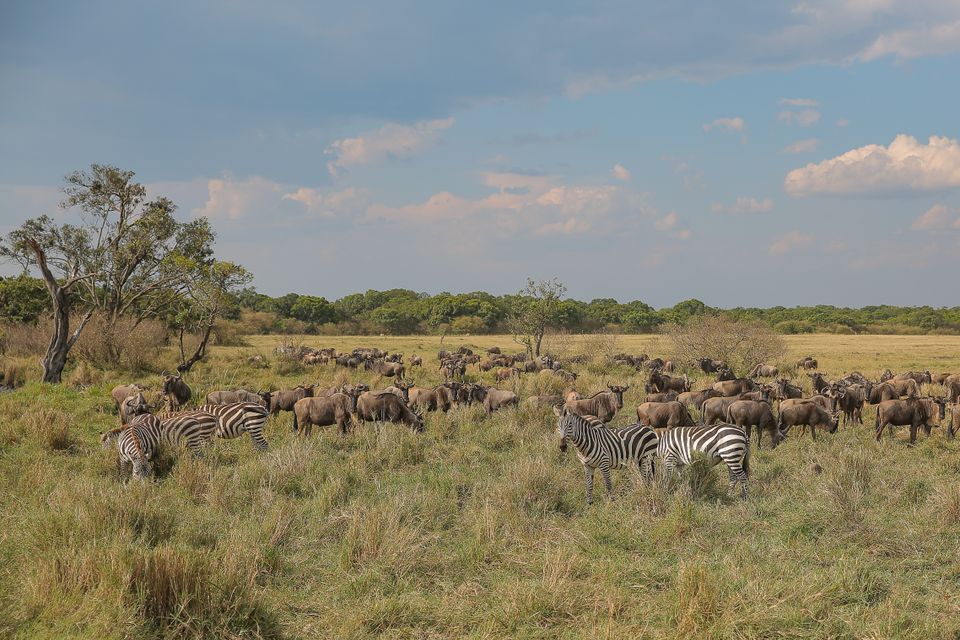
The two Serengeti days are the core of the trip. They give your guide the freedom to go where the wildlife is rather than following a fixed loop, which matters most when the wildebeest migration is in the park. Manyara and Tarangire at the start mean you are not driving straight from the airport into a long transfer.
Transport is a private 4x4 with a pop-up roof, and you stay in mid-range lodges and tented camps that can be upgraded to luxury. The pace suits photographers, families and couples who would rather settle into each place than tick off the highlights.
Journey at-a-glance:Customize This Journey. Request More Information »
 LAKE MANYARA NATIONAL PARK
Lake Manyara's groundwater forest and lakeshore
Tarangire's baobabs and elephant herds
Two full days of Serengeti game drives
A final morning on the floor of the Ngorongoro Crater
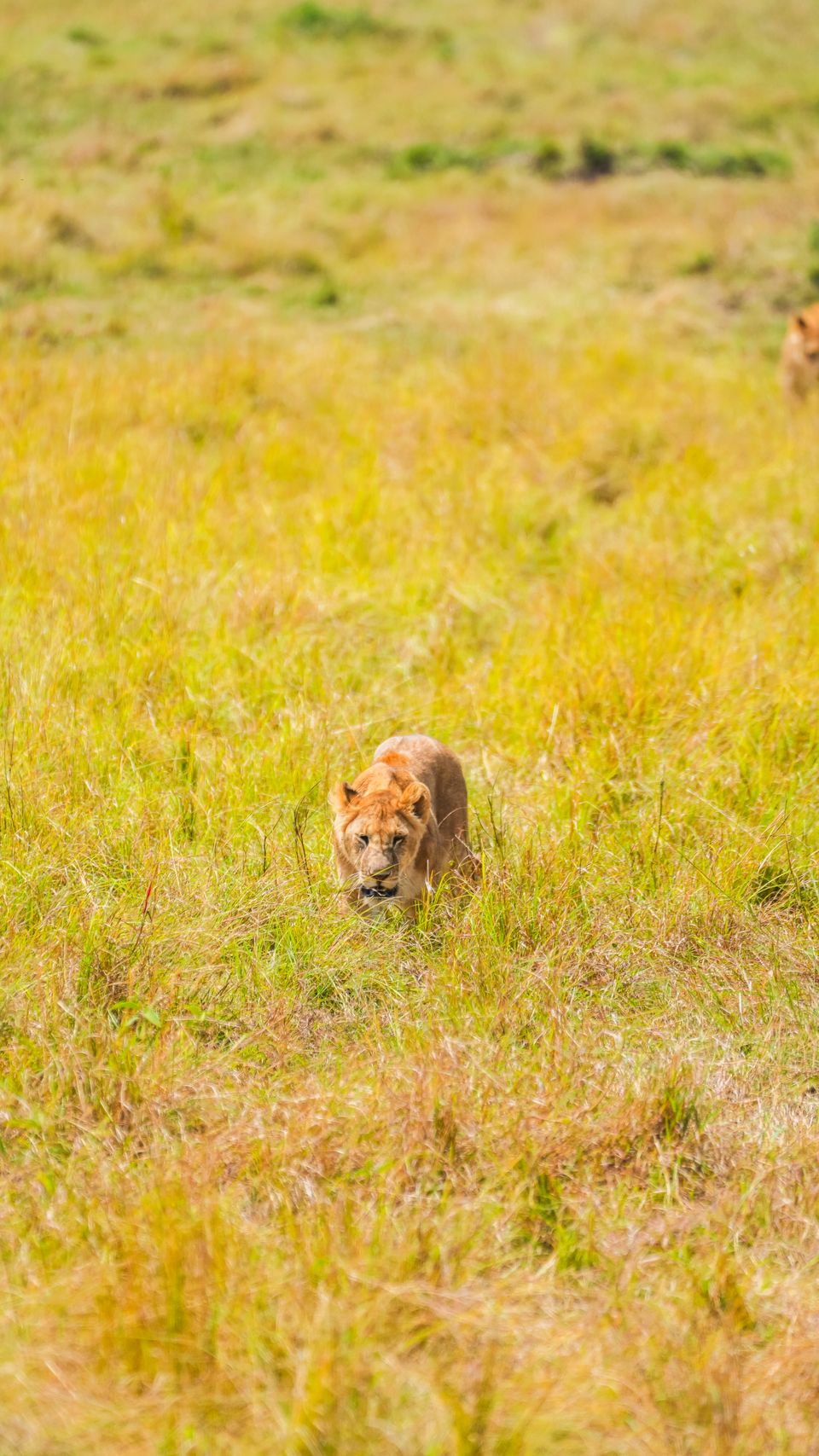
Pick-up in Arusha and a drive of a few hours west to Lake Manyara. The afternoon game drive takes you through the dense groundwater forest near the entrance, where baboons and blue monkeys are common, and out towards the lakeshore. Manyara's lions are known for sometimes resting in trees, and the park also has good numbers of elephant and buffalo.
A short morning drive back east to Tarangire National Park. Game drives here focus on the river and the baobab woodland, where elephant herds can be large in the dry months.
The day's drive takes you up through the Ngorongoro highlands, with a stop at a crater-rim viewpoint, then down onto the Serengeti plains. You arrive in time for an afternoon game drive.
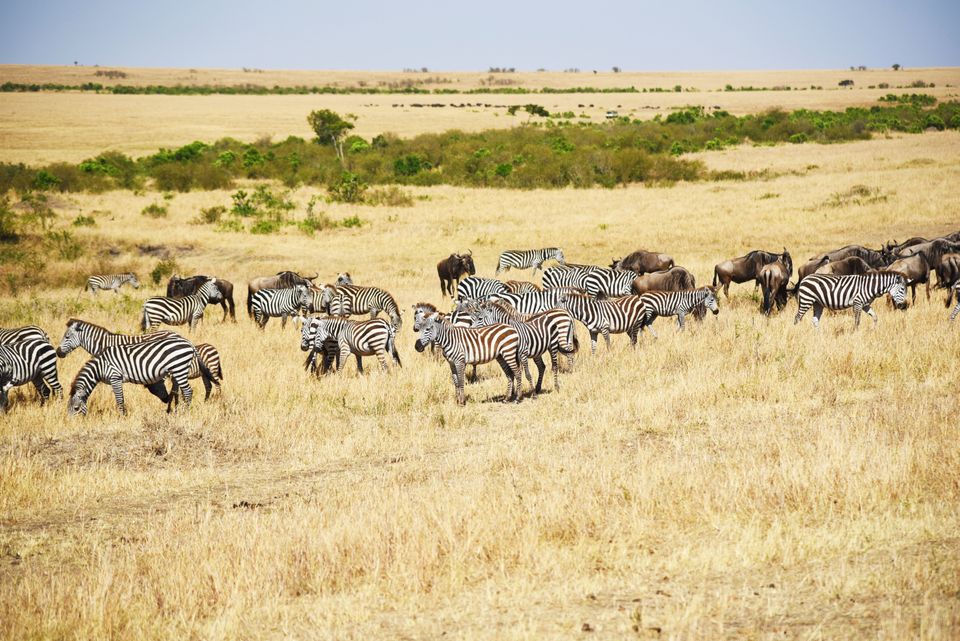
A full day with your guide choosing the route based on where wildlife is concentrated at that time of year, taking in grassland, kopjes and riverine areas.
A second day to explore a different part of the park, track the migration if it is nearby, or return to a promising area from the day before.
An early departure to descend into the Ngorongoro Crater for a morning game drive on the crater floor, then the drive back to Arusha in the afternoon.
Planning tip: see our guide on Planning a Family Safari in Kenya or Tanzania.
Accommodation: Mid-range lodges and tented camps at each stop, upgradeable to luxury.
Vehicle: 4x4 safari Land Cruiser with pop-up roof
Year-round. The dry season (roughly June to October) is best for general game viewing; the wet season brings more birds and greener scenery.
Full Lake Manyara National Park destination guide »
The herds move around the Serengeti on a rough annual cycle - generally the southern plains from about January to March, moving north through the year, and the northern Serengeti and Mara River area from around July to October. We can tell you where they are likely to be for your dates.
Yes, it is a common extension. Tell us when you enquire and we will include the flight and beach accommodation options in your quote.
It adds Lake Manyara and a second Serengeti day, so the pace is noticeably more relaxed.
Send us your travel dates and group size and we'll confirm availability and pricing.