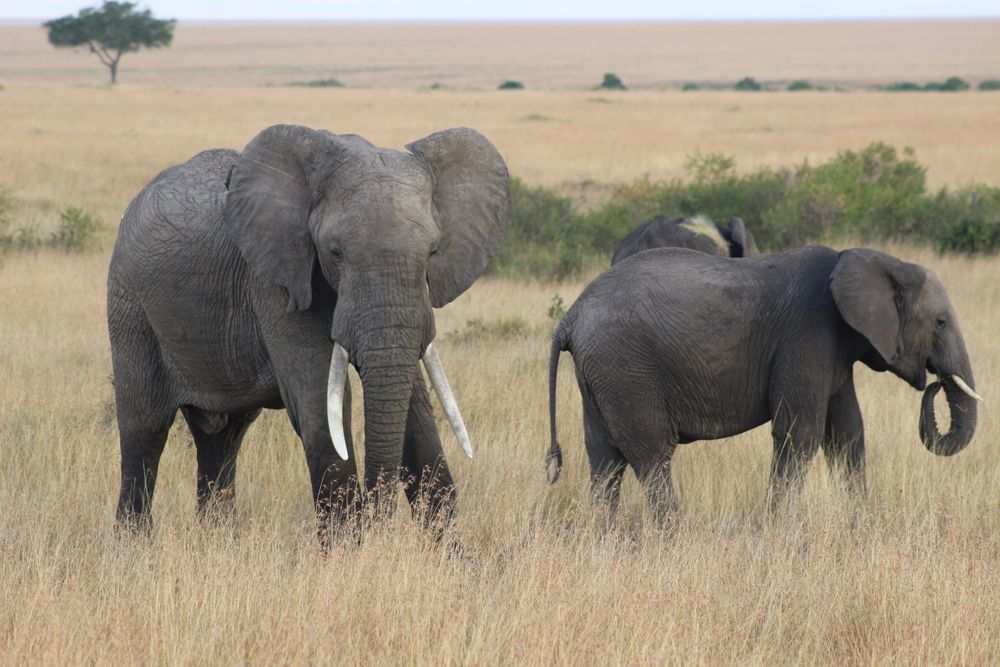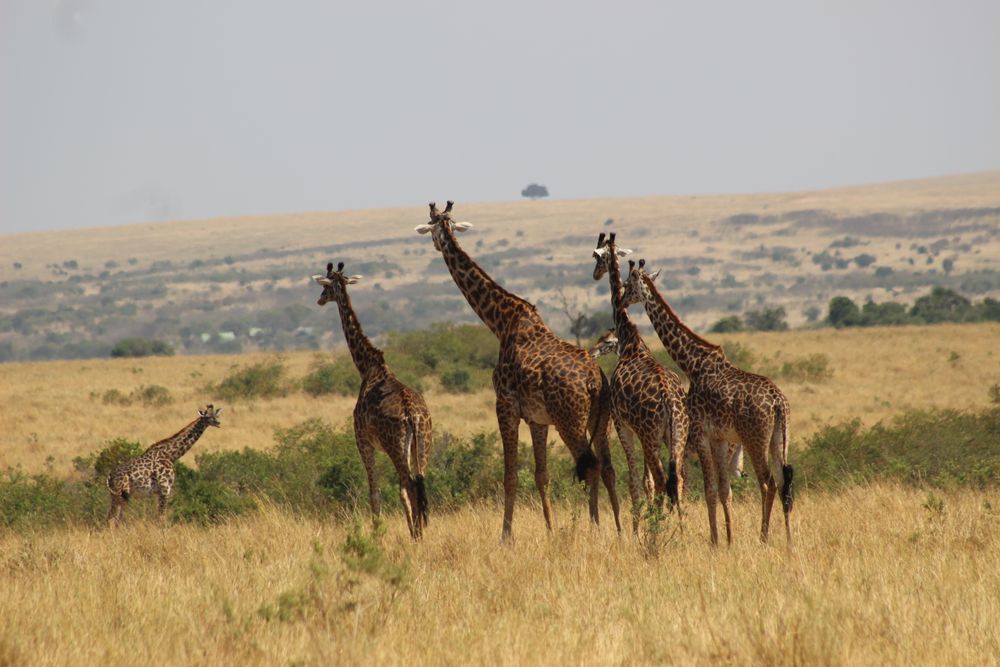
Tourism pays for a great deal of wildlife protection in East Africa. Park and conservancy fees fund rangers and habitat management, and safari jobs support families around the parks. Travelling responsibly is less about sacrifice and more about making sure that money and your presence do as much good - and as little harm - as possible.
In the Masai Mara and around Amboseli and Laikipia, many camps are on community conservancies - land leased from local owners who receive income from tourism in return for protecting wildlife habitat. Conservancies also limit vehicle numbers, which makes sightings calmer. Community-run sites like Bigodi Wetland in Uganda put entry fees directly into schools and local projects.
Village visits can be a real exchange or an awkward performance. Go with a guide who knows the community, ask before photographing people, dress modestly and treat it as a visit to someone's home. Our Zanzibar Stone Town walks include the island's difficult history, which deserves the same respect.
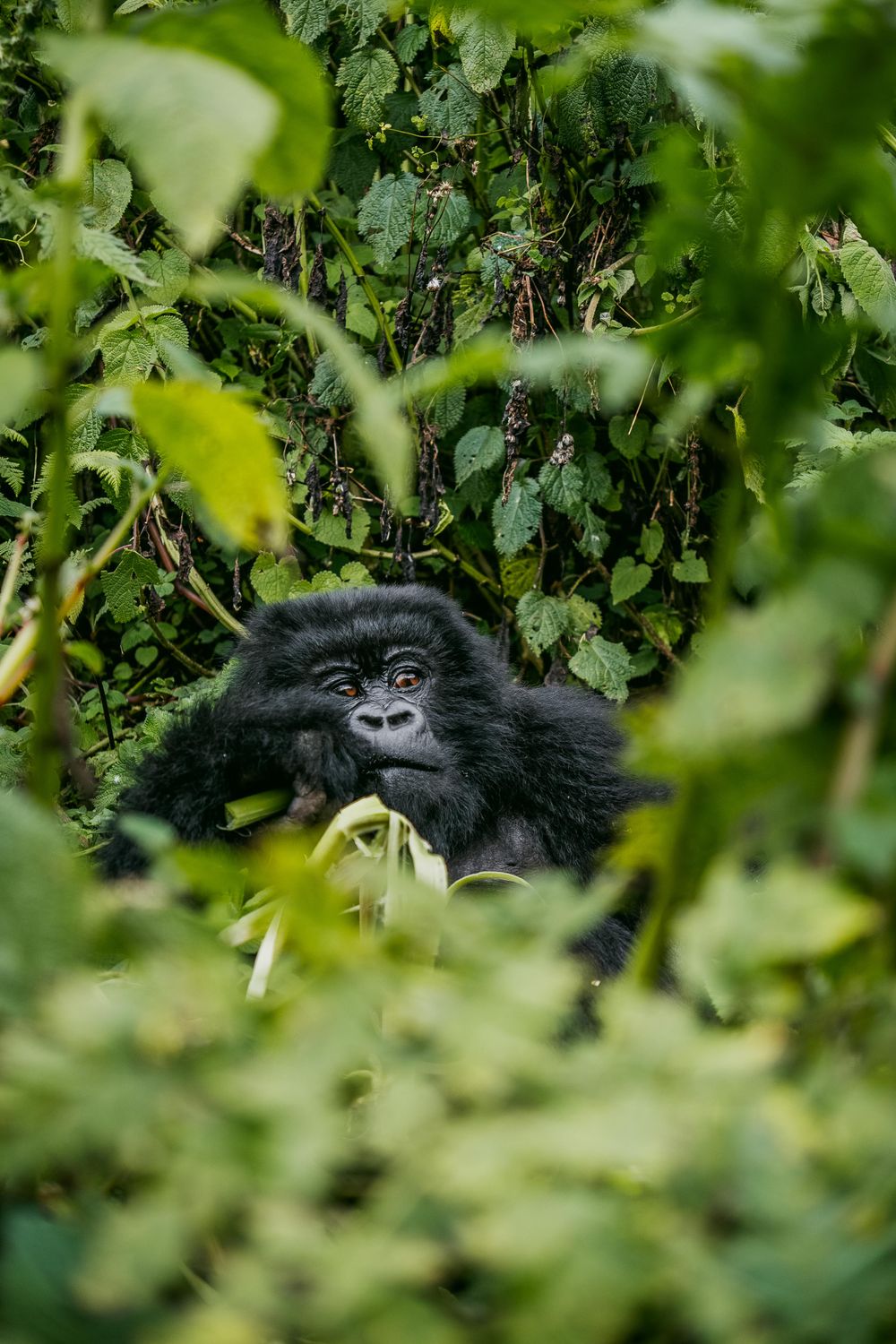
Gorillas and chimpanzees can catch human illnesses. Do not trek if you are unwell, keep the recommended distance, and follow rangers' instructions. See our gorilla trekking guide.
It is reasonable to ask any operator or camp how they treat staff, manage waste and support nearby communities. A good business will have clear answers.
Choose places where your fees benefit wildlife and local people, follow sighting and primate rules, buy locally and leave less waste behind.
Yes. Park and conservancy fees fund protection, and tourism income gives local communities a reason to keep land for wildlife.
Land next to a park, usually owned by local communities, that is leased for low-density tourism and wildlife protection.
It can be rewarding if arranged respectfully through a guide who knows the community. Ask before taking photos.
Tell us what matters to you and we will suggest conservancies, community activities and routes that fit.