The Masai Mara National Reserve is the Kenyan end of the Mara-Serengeti ecosystem, a single stretch of grassland that continues south across the border into Tanzania. For most first-time visitors to Kenya it is the park that matters most, and with good reason: open terrain, high numbers of resident predators and plains game, and a short enough drive from Nairobi to fit even a long weekend.
What many people do not realise before they arrive is that the Mara is two kinds of place. The national reserve itself is run by Narok County and has set roads and park rules. Around it lies a ring of private and community conservancies, leased from Maasai landowners, where vehicle numbers are capped and activities such as walking and night drives are allowed. Where you stay shapes your trip more than almost any other choice.
The Mara works as a first safari, a photography trip or the anchor of a longer Kenya route. Our best time to visit the Masai Mara guide goes into the seasons in detail.
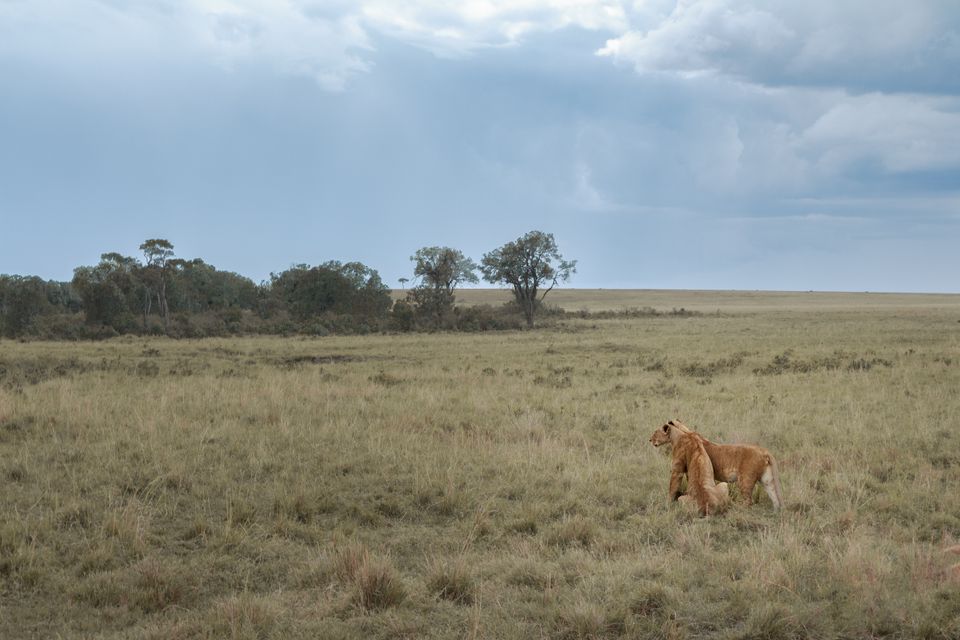
Most of the reserve is rolling, short-grass savannah - the classic view of flat-topped acacias and wide horizons. The Oloololo (Siria) Escarpment forms the western edge, and the Mara and Talek rivers wind through the reserve lined with riverine forest. In the south-east, around Keekorok and Sekenani, the land is more bushy and broken. After the rains the grass can grow tall enough to hide a lion; in the dry months it is grazed short and visibility is excellent.
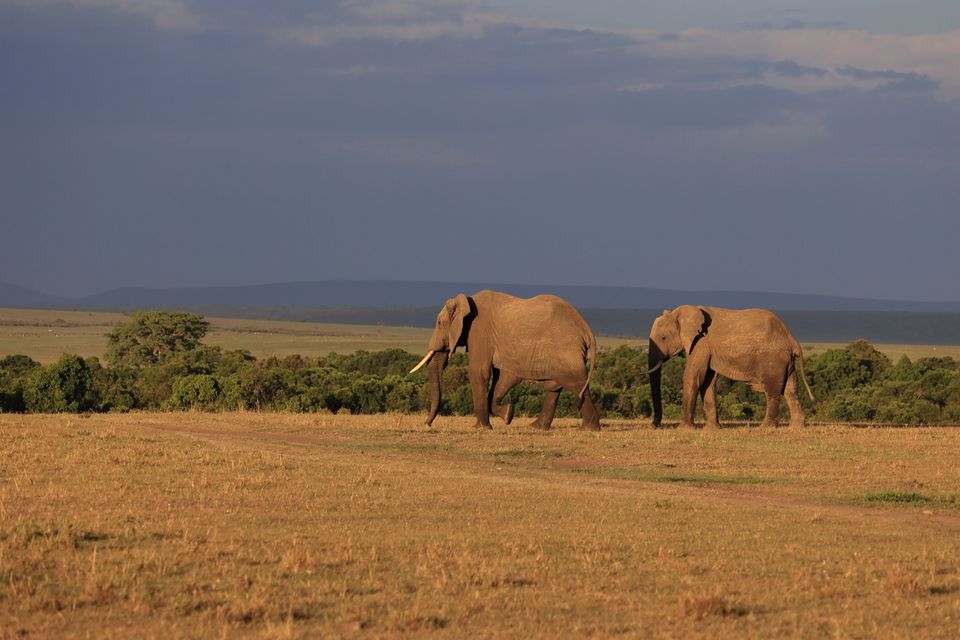
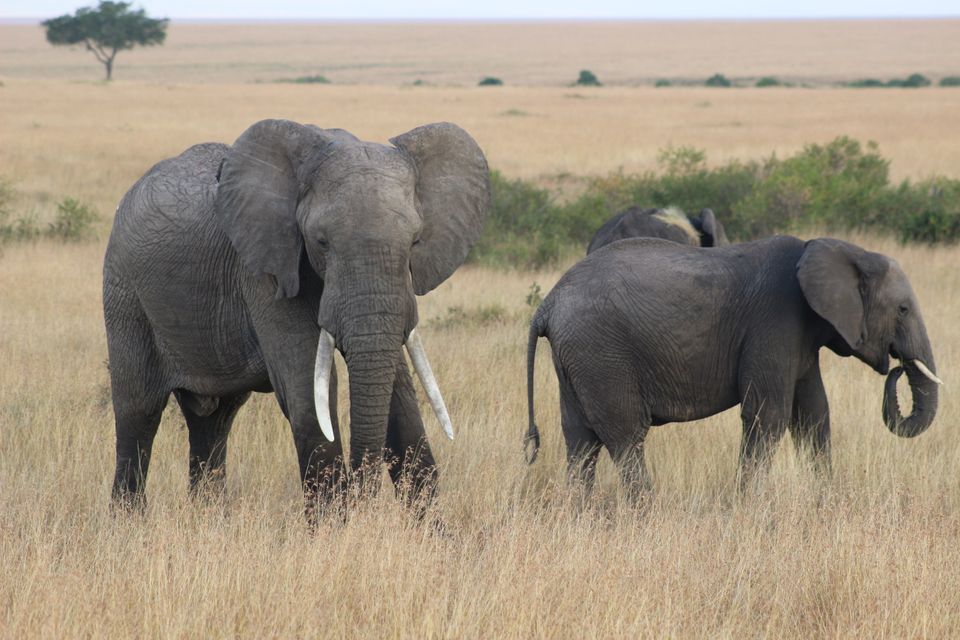
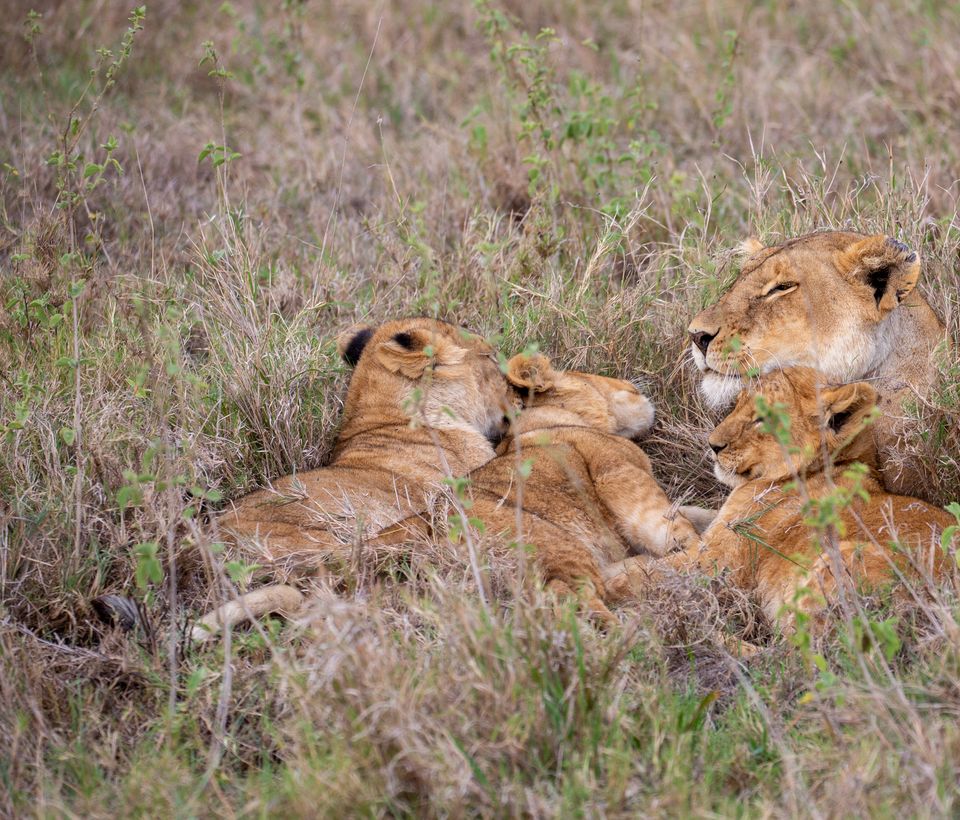
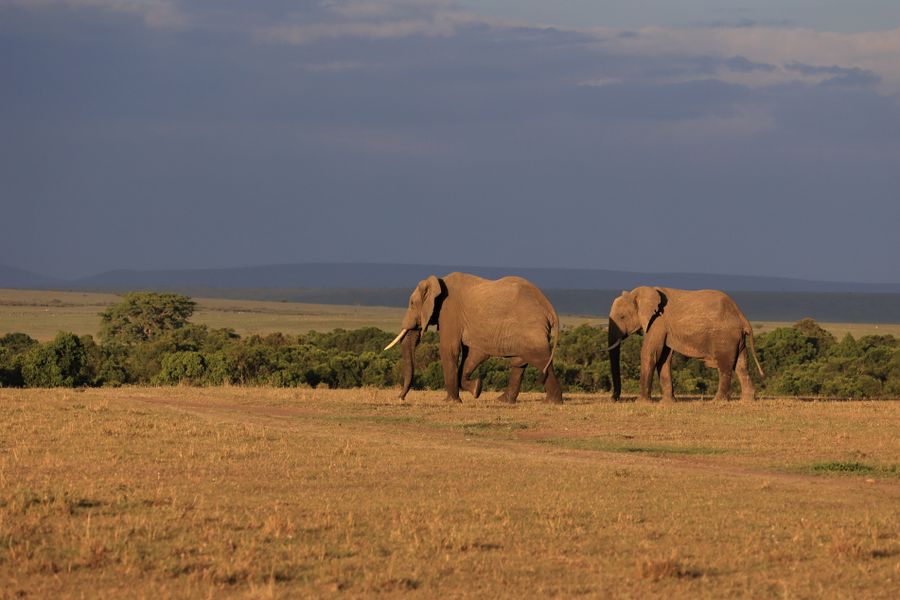
The Mara is best known for its big cats, and lion prides are seen on most game drives. Cheetah hunt on the open plains, while leopard are more often found along rivers and in thicker cover. Elephant, buffalo, giraffe, hippo and a long list of antelope are resident.
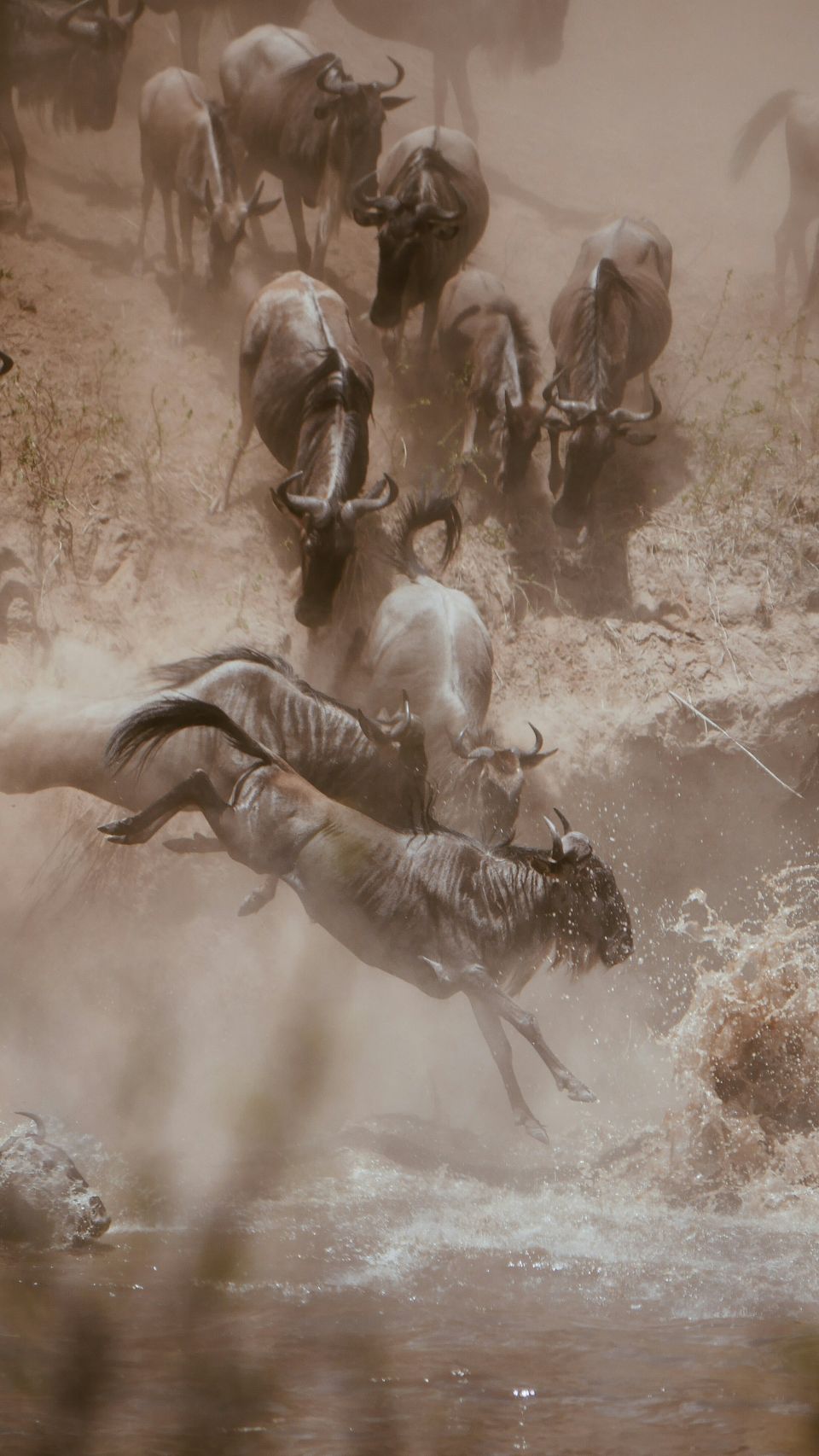
From roughly July to October, large numbers of wildebeest and zebra move north from the Serengeti, and the Mara River crossings become possible. The exact timing changes each year with the rains. Our wildebeest migration guide explains the pattern month by month.
Morning and afternoon game drives in a 4x4 with a pop-up roof - usually 3-4 hours each, or a full day with a picnic lunch
Hot-air balloon flight at sunrise, followed by a bush breakfast (book ahead in July-October)
Walking safaris and night drives in the conservancies - not allowed inside the main reserve
Visit to a Maasai village near the reserve to see a homestead and talk with residents
Waiting at the Mara River for a crossing during migration season (never guaranteed)
A typical Mara day starts before sunrise with a hot drink and a drive out as the light comes up, when lions are often still active and cheetah start to hunt. Most people come back to camp for a late breakfast and rest through the heat, then go out again from mid-afternoon until the reserve closes in the evening.
In the busy months you will share some sightings with other vehicles, especially at river crossings. Conservancy stays limit vehicle numbers and feel noticeably quieter. In the green season, roads can be muddy, but you have more of the plains to yourself.
The Mara has wildlife all year, so the best month depends on what you want.
Read our full guide: Best Time to Visit the Masai Mara: A Month-by-Month Guide »
By road from Nairobi takes around 5-6 hours, usually via Narok, depending on traffic and which part of the reserve you are heading to. Scheduled light aircraft fly from Wilson Airport in Nairobi to several Mara airstrips in about 45 minutes. Flying makes sense on a short trip or when combining the Mara with distant parks; driving is cheaper and lets you see the Rift Valley on the way.
Options range from budget camps outside the reserve to mid-range tented camps and luxury lodges, both inside the reserve and in the surrounding conservancies. Budget and mid-range trips usually stay just outside the gates, which keeps costs down. Conservancy camps cost more but offer walking safaris, night drives and fewer vehicles. Our Masai Mara hotels guide compares the types of stay.
Reserve fees are charged per person per 24 hours; conservancies charge their own separate fees
The Mara is a malaria-risk area - speak to your doctor about prevention
Mornings and evenings are cool on open vehicles; bring a warm layer
Drones are generally prohibited without special permission
Official park info: Narok County Government
They are one ecosystem split by the Kenya-Tanzania border, but they are separate protected areas with separate fees and rules. Animals, including the migrating herds, move freely between them.
Stay in or next to the reserve if budget matters most or you want easy access to the Mara River. Choose a conservancy if you want fewer vehicles, walking safaris and night drives. Some travellers split their nights between the two.
Two nights gives you one full day plus two shorter drives. Three or four nights lets you explore different areas and improves your chances with less common sightings.
Possibly, if you travel between July and October, but crossings depend on herd behaviour and cannot be scheduled. More time near the river improves your odds.
Tell us your dates and we'll build an itinerary that includes it.