The Serengeti is northern Tanzania's largest and best-known park, and the southern part of the same ecosystem as Kenya's Masai Mara. It is big enough that 'going to the Serengeti' can mean very different trips depending on where you stay and when.
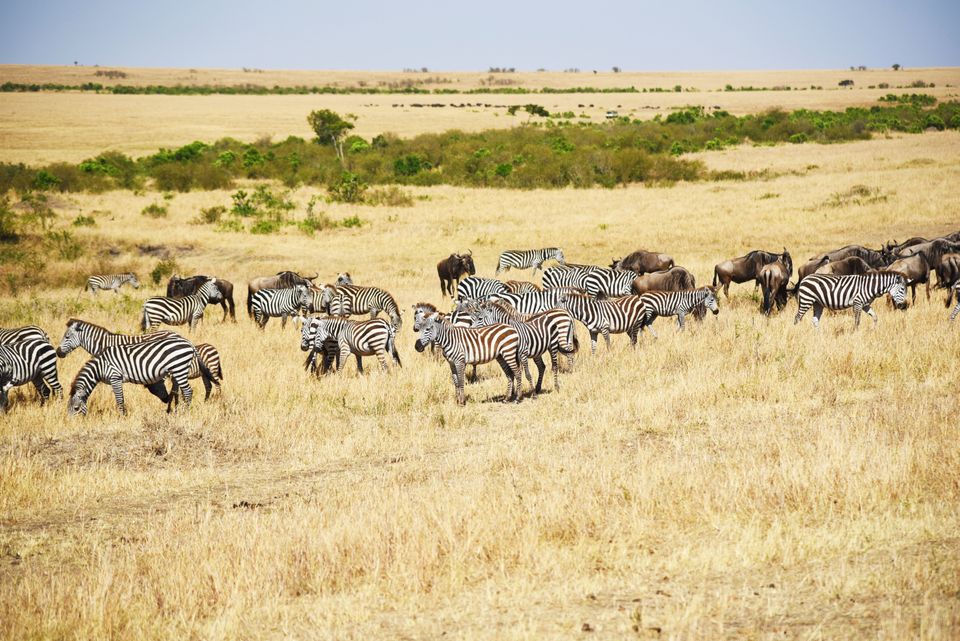
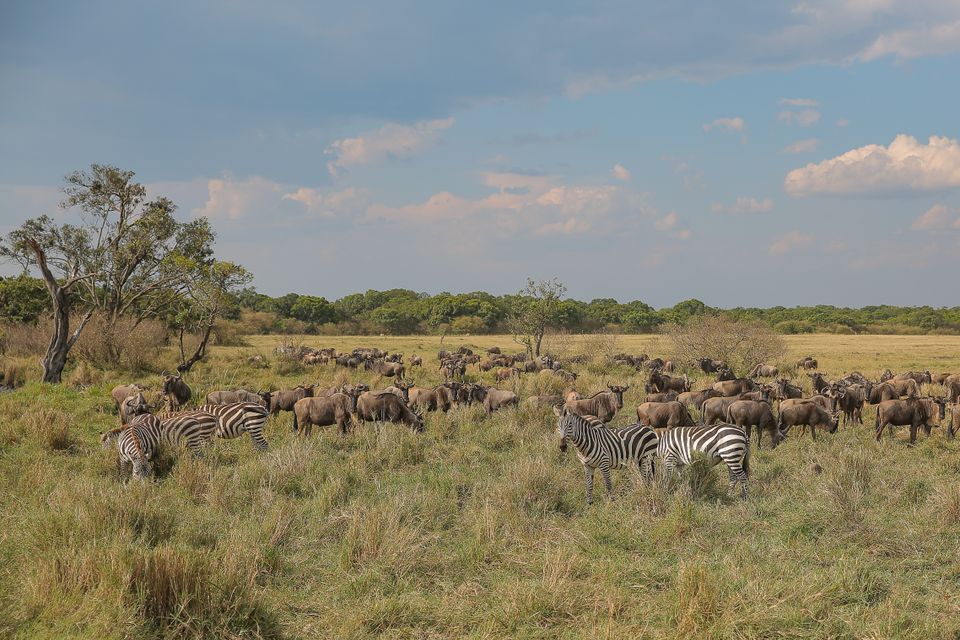
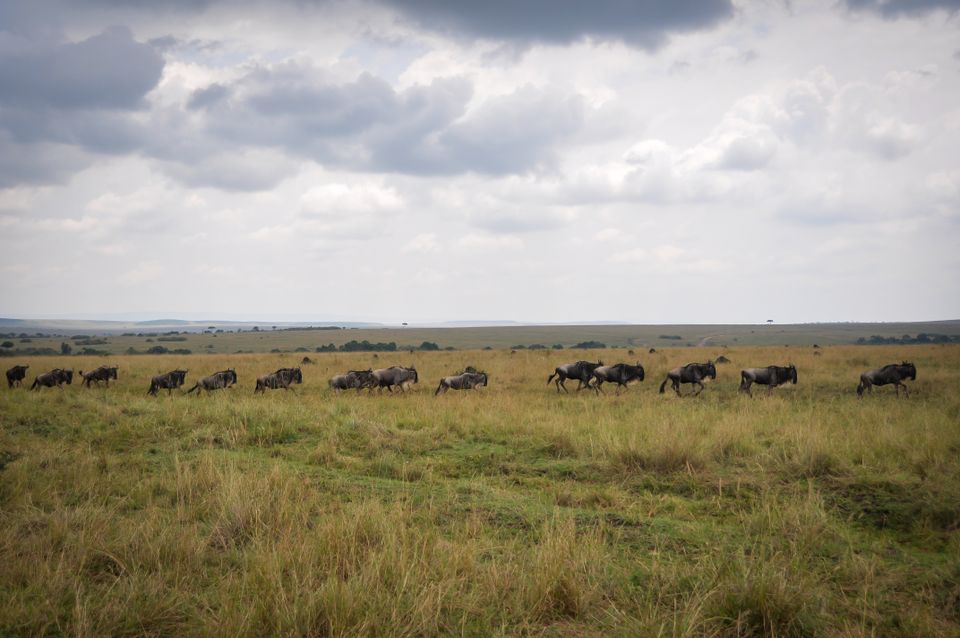
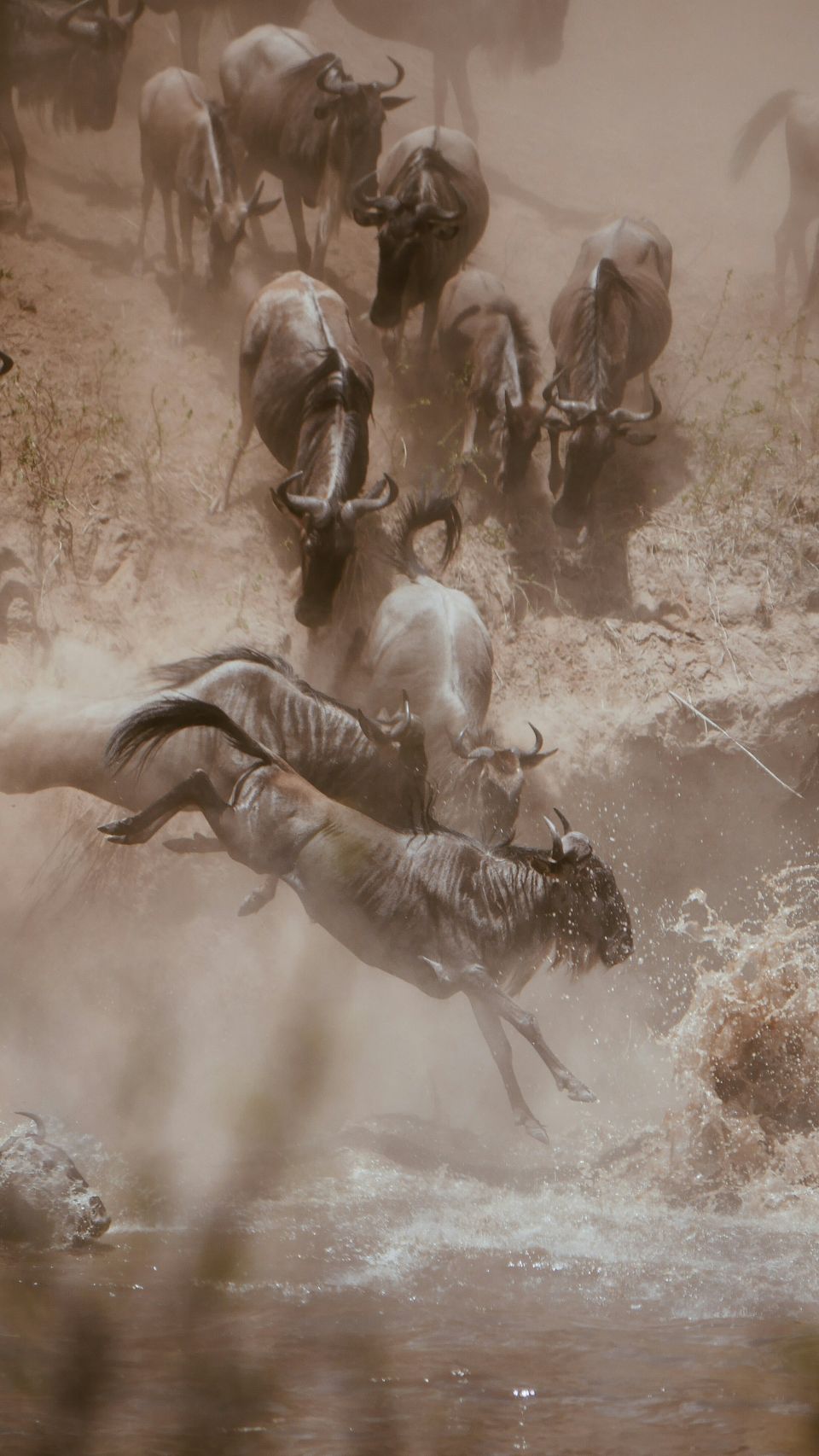
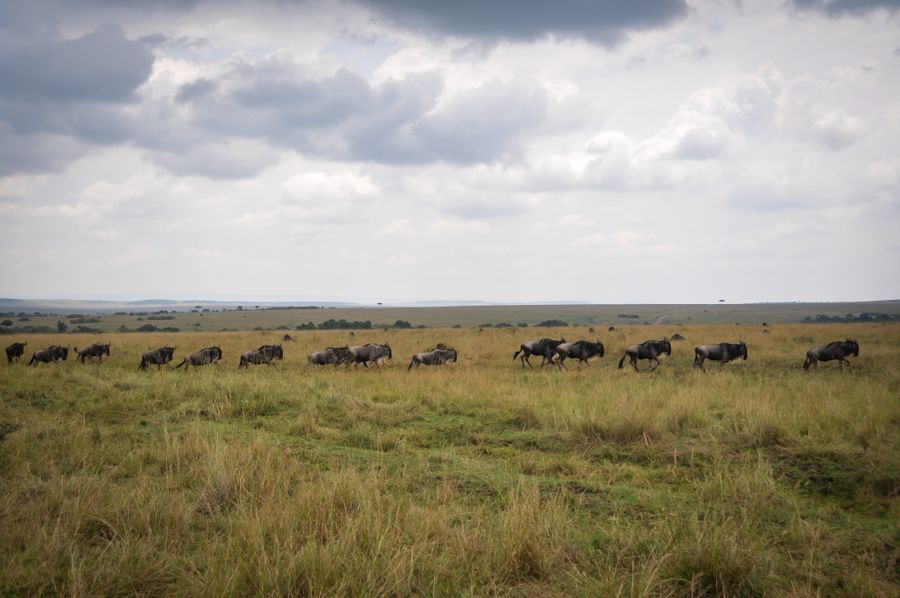
Two things draw people. First, resident wildlife: lion, cheetah, leopard, hyena, elephant and plains game are present all year, especially in the central Seronera area. Second, the wildebeest migration - roughly two million wildebeest, zebra and gazelle moving in a loop through the ecosystem as they follow the rains.
The key planning point is that the Serengeti rewards time. Two full days is a reasonable minimum; four or five days lets you see more than one area. Our northern Tanzania circuit guide shows how it fits with Ngorongoro and Tarangire.
The southern Serengeti is short-grass plain stretching to the horizon, where the herds calve early in the year. The central area around Seronera mixes grassland with acacia and granite outcrops called kopjes, which lions use as lookouts. The western corridor runs towards Lake Victoria along the Grumeti River, with woodland and riverine forest. The north, near the Mara River and the Kenyan border, has rolling hills and open plains.
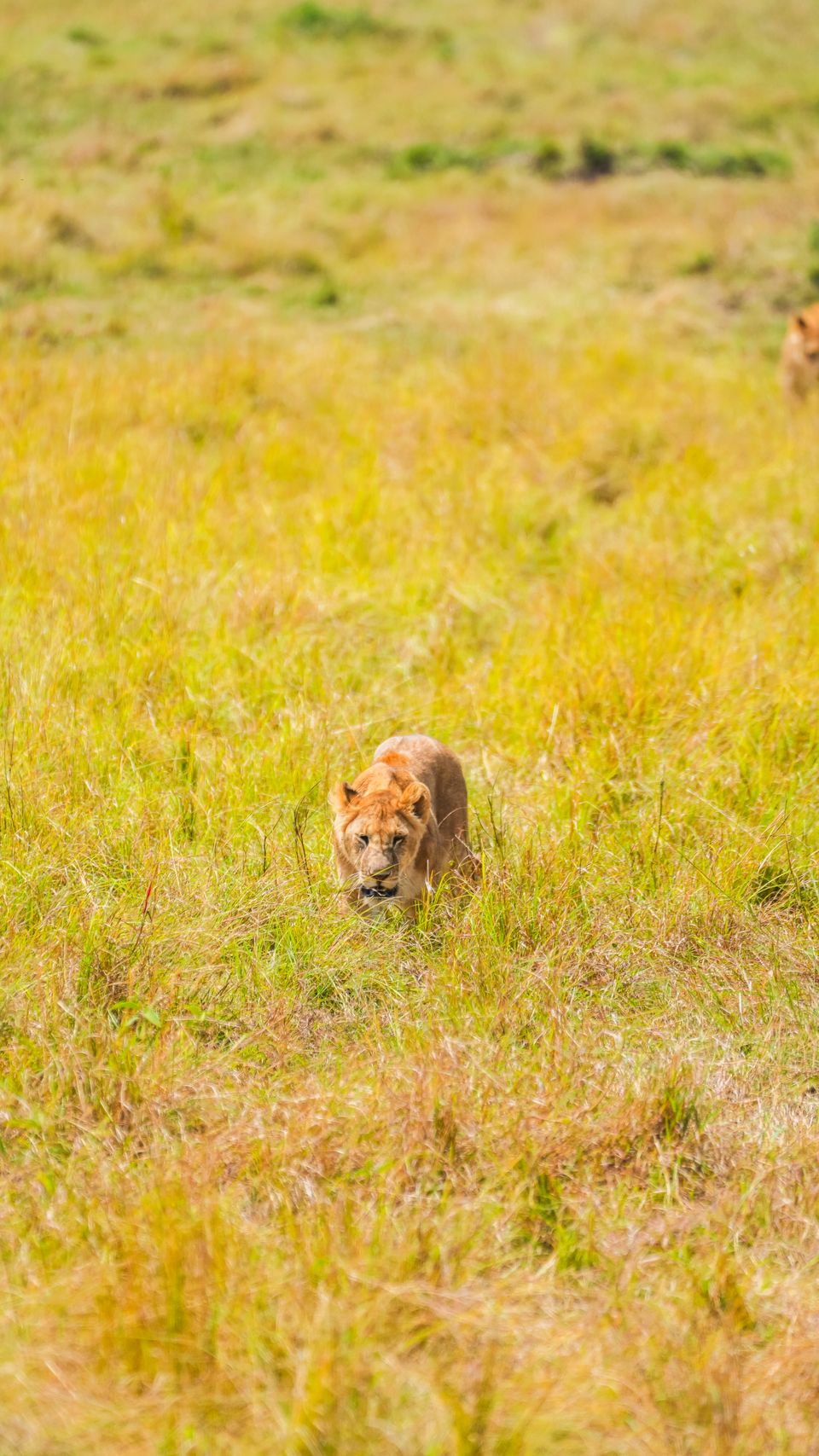
Lion are common, and the Serengeti is one of the best places in Africa to see cheetah on open plains. Leopard favour the river woodland around Seronera. Elephant and buffalo are widespread, and hippo and crocodile live in the larger rivers.
The migration follows a rough annual cycle: the southern plains around January to March for calving, moving west and north through the middle of the year, and the northern Serengeti and Mara River often from around July to October. Rainfall, not the calendar, decides the exact timing. See our migration guide.
Full-day game drives with a picnic lunch, covering the area where wildlife is concentrated
Waiting at the Grumeti or Mara rivers for a crossing in season (never guaranteed)
Hot-air balloon flight at sunrise, followed by breakfast
Walking safaris with an armed ranger in permitted areas
Serengeti Visitor Centre at Seronera for background on the ecosystem
Serengeti days are long. Many guides recommend full days with a packed lunch rather than returning to camp at midday, because distances are large and the action can be far from your lodge. Expect early starts, wide views and frequent stops for cats. In peak season, popular sightings in the centre and north can attract many vehicles; other areas can feel almost empty.
There is good game viewing all year. The dry season (roughly June to October) makes animals easier to find around water. January to March is calving season in the south, with many predators following the herds. April and May are the long rains, with lower prices and fewer visitors. Choose your base according to where the migration is likely to be for your dates.
Read our full guide: Planning a Family Safari in Kenya or Tanzania »
Most trips start in Arusha. By road, reaching the central Serengeti takes about 6-8 hours with stops, usually via Ngorongoro. Scheduled light aircraft fly from Arusha to several Serengeti airstrips and save a lot of time - many travellers fly one way and drive the other.
There is a very wide range: public campsites, mid-range lodges, luxury lodges and seasonal mobile camps that move to follow the migration. Choosing the right area for your dates matters more than the type of property.
Park fees are charged per person per 24 hours
Ask us where the herds are likely to be before choosing a camp area
Mobile camps only open in certain areas at certain times of year
Malaria-risk area - take medical advice
Official park info: Tanzania National Parks Authority
It depends on your dates. The herds are in the south early in the year and in the north later on. We check likely positions close to your travel dates before recommending a camp.
At least two full days. Three to five days lets you explore more than one area or follow the herds.
No. Being in the right area during those months gives you a good chance, but crossings depend on the herds' behaviour on the day.
Tell us your dates and we'll build an itinerary that includes it.