Samburu National Reserve is in northern Kenya, about 5-6 hours north of Nairobi. It feels nothing like the Mara. The country is hot, dry and rocky, the soil is red, and life is drawn to a single river - the Ewaso Nyiro - that runs through the reserve all year.
The reason to come is the wildlife you cannot see in southern Kenya. Grevy's zebra, reticulated giraffe, gerenuk, beisa oryx and Somali ostrich - often called the Samburu Special Five - are all adapted to this dry country. Elephant come to the river in large numbers, and lion and leopard are resident.
Samburu is best for travellers on a second Kenya trip, or on a longer route that adds the north to the classic southern parks, like our 7-day Kenya safari.
The Ewaso Nyiro River is lined with doum palms, acacias and riverine forest, creating a green ribbon through otherwise arid scrub. Away from the river the land is open and stony, with isolated hills such as Koitogor and, further off, the flat-topped Ol Olokwe mountain. The neighbouring Buffalo Springs and Shaba reserves continue the same landscape.
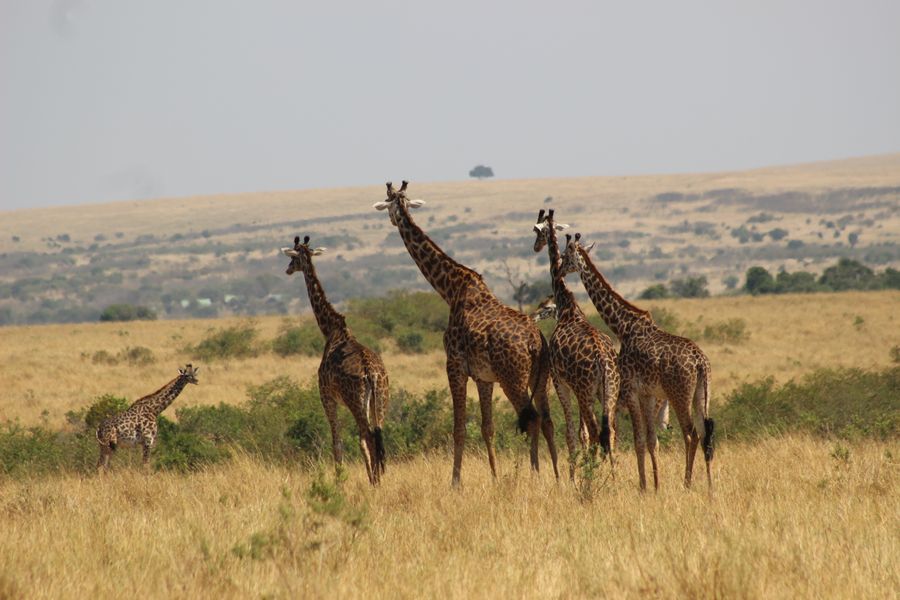
Gerenuk, which stand on their hind legs to browse, and the sharply patterned reticulated giraffe are two of the most memorable sights. Grevy's zebra - larger than common zebra, with narrow stripes - are endangered, and Samburu and the surrounding area hold an important share of the population.
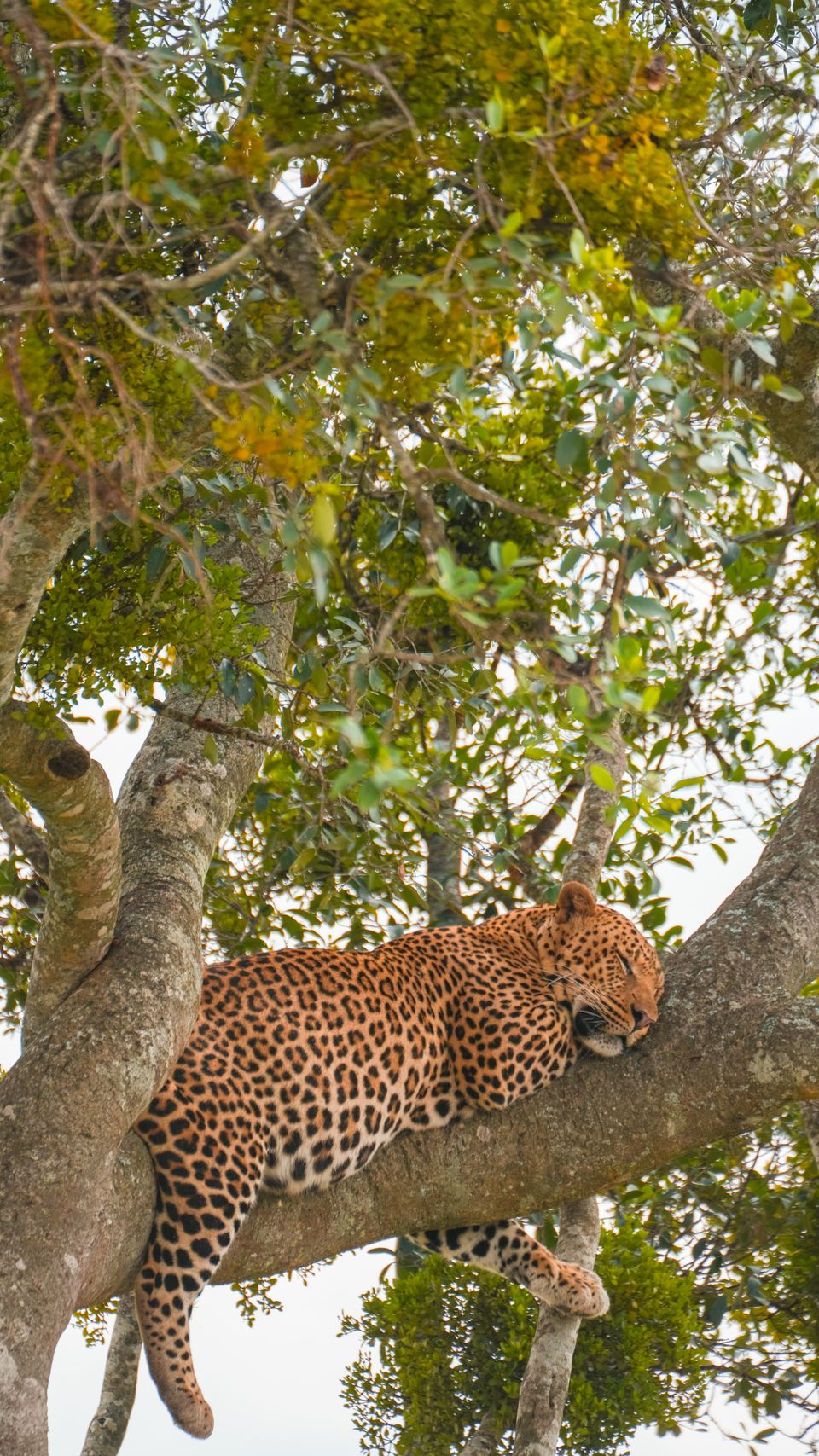
Elephant herds use the river daily, often crossing in front of lodges. Leopard are seen more often here than in many parks, especially along the river's wooded edges.
Game drives along the Ewaso Nyiro River and into the drier country beyond
Visit a Samburu community to learn about a pastoralist culture distinct from the Maasai
Birdwatching in the riverine woodland
Sundowners overlooking the river at the end of the day
The heat shapes the day in Samburu. Game drives start early and finish late, and the middle of the day is spent in the shade at camp, often watching elephants cross the river. Vehicles are fewer than in the southern parks, so sightings tend to feel quieter.
The dry seasons, roughly June to October and January to February, draw wildlife to the river and make sightings more concentrated. In the wetter months the land turns green and birdlife is excellent, but animals spread out away from the water.
Read our full guide: Best Time to Visit Kenya for a Safari, Season by Season »
By road, it is around 5-6 hours from Nairobi via Nanyuki. Scheduled flights from Wilson Airport reach Samburu's airstrips in about an hour, a popular choice given the distance. Samburu combines well with Nanyuki and Mount Kenya.
Tented camps and lodges along the river, from mid-range to luxury, are the classic Samburu stay. There are fewer properties than in the Mara and they are more spread out. See our Samburu hotels guide.
Hotter than southern parks - bring sun protection and light clothing
Malaria-risk area - take medical advice before travel
Reserve fees are charged per person per 24 hours
Best combined with other northern stops rather than added to a short southern trip
Official park info: Kenya Wildlife Service
Grevy's zebra, reticulated giraffe, gerenuk, beisa oryx and Somali ostrich - dry-country species you will not see in the Mara or Amboseli.
If you have a week or more, or you have already been to the Mara, yes. On a first short trip, the southern parks are usually a better use of time.
Yes. Daily scheduled flights from Nairobi's Wilson Airport take about an hour.
Tell us your dates and we'll build an itinerary that includes it.