Kenya's weather is shaped by two things: two rainy seasons each year, and altitude. Being on the equator does not mean it is hot everywhere - Nairobi and the highland parks sit above 1,500m and can be cold at night, while the coast and lowland parks are hot and humid.
Rain usually comes in afternoon or evening downpours rather than all-day drizzle, but patterns vary from year to year.
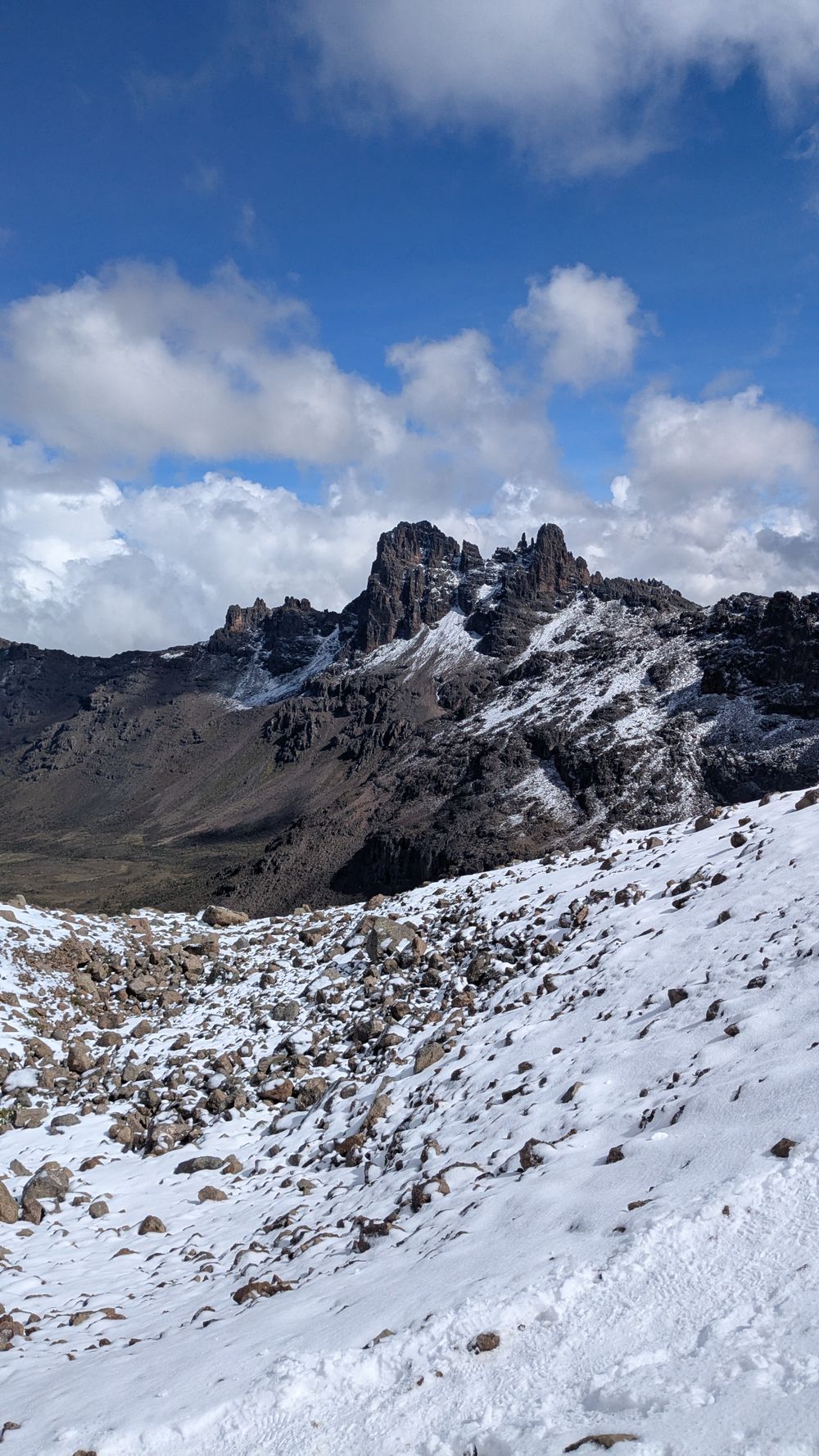
Mild days and cool nights. June to August is the coolest period, with grey mornings and evenings cold enough for a jumper. Mount Kenya and the Aberdares are colder still, with freezing nights at high altitude.
Warm days, cool mornings. Early game drives in an open vehicle can feel cold at any time of year, so a fleece or light jacket is essential.
Lower, drier and hotter, with dust in the dry season. Mornings are still cooler than you might expect.
Hot and dry for much of the year, with little rain outside the rainy seasons.
Hot and humid all year. The heaviest rain usually falls from around April to June.
Pack layers, not a heavy coat: a fleece or light down jacket for cold mornings, breathable clothes for warm afternoons, and a light rain jacket if you travel in a rainy season. For trekking, you need proper cold-weather gear. Our packing list has the details.
See best time to visit Kenya for how this plays out park by park.
Expect warm days, cold mornings and two rainy seasons. Plan your clothing around altitude, and plan your timing around what you want to see.
Yes, early mornings and evenings in the Mara, Nairobi and the highlands can be cold, especially June to August.
Rarely. Most rain falls in short, heavy bursts, and game drives continue.
The heaviest rain on the coast usually falls around April to June, with shorter rains around November. The rest of the year is generally drier, though always hot and humid.
Tell us your travel month and we will tell you what conditions to expect in each park.