Nairobi, Kenya
Call Us WhatsApp

Kenya Safari Packing List: What to Bring (and What to Leave)

Planning · By the Bush Camp Tours safari team, Nairobi · Updated 2 October 2026

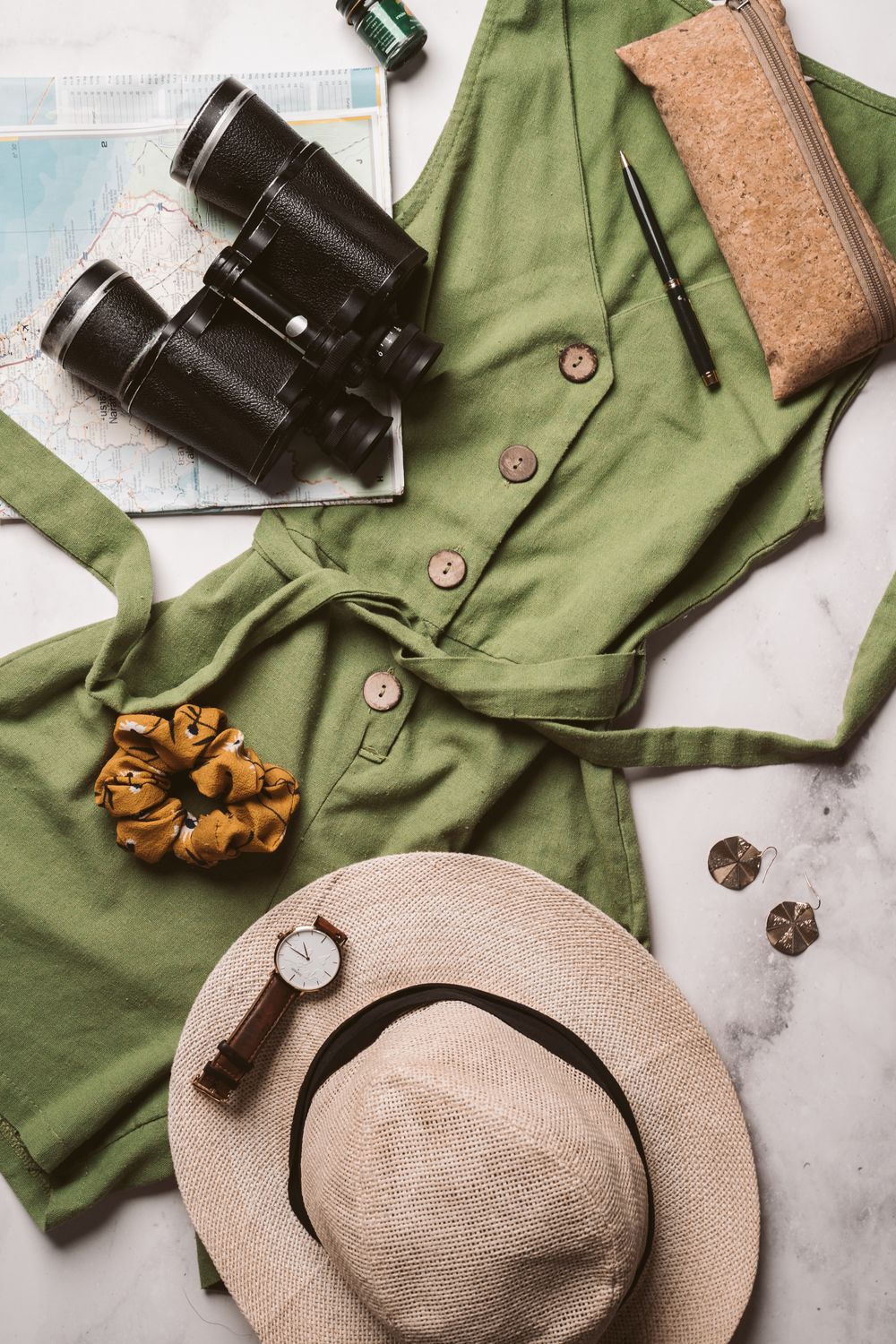
Safari clothing, binoculars and a camera laid out before a Kenya trip

Pack light, pack layers and pack neutral colours. Safari days start cold and end warm, vehicles are dusty, and small planes have strict luggage limits. Below is the list we give our own travellers, with the reasons behind each item.

Clothing

  • Neutral colours: khaki, olive, tan and grey. They show less dust and blend in better.
  • Avoid dark blue and black in areas with tsetse flies - parts of Tsavo, Tarangire and some woodland areas - because these colours attract them.
  • Layers: a fleece or light down jacket for early drives, plus t-shirts or light long-sleeved shirts for the afternoon.
  • Long trousers and sleeves for evenings, when mosquitoes come out.
  • A light rain jacket in the rainy seasons.
  • Swimwear if your lodge has a pool or you are heading to the beach.

Laundry is available at many camps, so a few days' worth of clothes is usually enough.

Footwear

Comfortable closed shoes or trainers for game drives and walking around camp, plus sandals. You only need hiking boots for treks such as Mount Kenya, Kilimanjaro or gorilla trekking, which have their own packing needs.

Sun and insect protection

  • A wide-brimmed hat and sunglasses
  • High-SPF sunscreen (reef-safe if you are going to the coast)
  • Insect repellent for evenings
  • Antimalarial medication if your doctor recommends it

Binoculars and cameras

  • Binoculars: one pair per person if possible. They change how much you see.
  • Camera: a zoom lens of 200mm or more is useful for wildlife; 400mm+ for frame-filling shots. Phones are fine for landscapes.
  • Spare batteries, memory cards and a power bank - charging can be limited in camps.
  • A dust cover or bag for your camera.

Health kit

Your regular medication (in hand luggage), basic painkillers, plasters, rehydration salts, antihistamine and anything your doctor advises.

Documents and money

  • Passport valid for at least six months
  • Approved Kenya eTA and any visas for other countries
  • Yellow fever certificate if required - see our yellow fever guide
  • Travel insurance details
  • Some cash for tips and extras - see our money guide

Luggage

Soft bags are best, especially for light-aircraft flights, which often have strict weight limits. We confirm the allowance if your itinerary includes a flight.

Things people forget

  • A headtorch for camps with limited lighting
  • A buff or scarf for dust
  • Ziplock bags to protect electronics
  • A reusable water bottle
  • Plug adapters (Kenya uses the UK-style three-pin plug)

What not to pack

  • Plastic carrier bags - single-use plastic bags are banned in Kenya
  • Camouflage clothing, which is associated with the military
  • Too many clothes

The bottom line

Neutral layers, comfortable shoes, binoculars, sun protection and a soft bag cover most of what you need. Check the weather for your month in our Kenya weather guide.

Quick Answers

What colours should I avoid on safari?

Bright colours and white stand out and show dirt; dark blue and black attract tsetse flies in some areas.

Do I need hiking boots?

Only for treks. Trainers or light walking shoes are fine for game drives.

How much luggage can I take?

On road safaris there is usually space for a medium bag each. Light-aircraft flights have strict limits, which we confirm when you book.

Packed and Ready?

Send us your dates and we will take care of the rest of the planning.

Keep Reading

Related Articles

Call WhatsApp Plan Safari