Nairobi, Kenya
Call Us WhatsApp

Kenya Travel Advice: Practical Basics for Safari Visitors

Practical Information · By the Bush Camp Tours safari team, Nairobi · Updated 2 October 2026

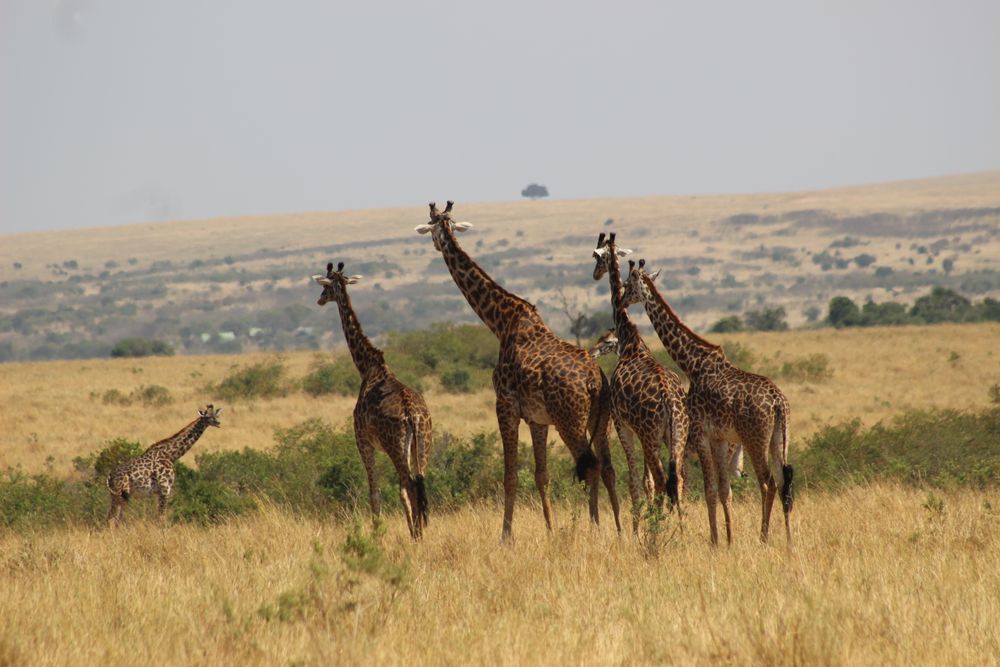
Giraffes on the savannah in Kenya

Kenya receives large numbers of safari visitors every year, and the vast majority of trips go smoothly. Most of what you need to know is common sense, plus a few local specifics. Before you travel, read your own government's official travel advice for Kenya, which is the best source on safety and any region-specific warnings.

Safety

  • On safari: follow your guide's instructions, stay in the vehicle unless told otherwise, and in unfenced camps let staff escort you after dark.
  • In Nairobi: as in any large city, avoid walking alone at night, keep phones and valuables out of sight in busy areas, and use arranged transfers or reputable taxi apps.
  • On the road: long drives are part of most safaris. Our driver-guides know the routes and the road conditions well.

Health

  • Malaria is present in most safari areas. Ask your doctor about prevention and use insect repellent in the evenings.
  • Check vaccination advice with a travel clinic well before you travel, including yellow fever.
  • Drink bottled or treated water.
  • Carry a small first-aid kit and any regular medication in your hand luggage.
  • Make sure your travel insurance covers medical evacuation.

Money

The currency is the Kenyan shilling (KES). US dollars are widely used in tourism, and cards work in most lodges and city hotels. Cash is useful for tips and small purchases. See our money guide.

Rules visitors sometimes miss

  • Plastic bags: Kenya has a strict ban on single-use plastic carrier bags. Do not bring them in your luggage, including duty-free bags.
  • Photography: always ask before photographing people. Do not photograph police, military sites or government buildings.
  • Drones: require permission and are restricted in parks.

Etiquette

  • A greeting goes a long way - "Jambo" (hello) and "Asante" (thank you) are appreciated.
  • Dress modestly in towns and villages; safari clothes are fine in the parks.
  • Tipping guides and camp staff is customary but never compulsory. We share guidance before you travel.
  • On village visits, follow your guide's lead and ask before entering homes.

On safari

Keep noise down at sightings, never feed animals, and do not ask your guide to break park rules for a closer photo. Our article on what to expect on a safari day covers sighting etiquette in more detail.

The bottom line

Check your government's travel advice, sort out vaccinations and insurance early, leave plastic bags at home, ask before taking photos, and follow your guide. Do that, and the practical side of a Kenya trip is straightforward.

Quick Answers

Is Kenya safe for tourists?

Most visits are trouble-free. Follow official travel advice, take normal city precautions in Nairobi and follow guides' instructions on safari.

Can I drink tap water?

It is best to drink bottled or treated water. We provide bottled water in our safari vehicles.

Are plastic bags really banned?

Yes. Single-use plastic carrier bags are banned, and visitors should not bring them into the country.

Questions Before You Travel?

Send us a message - we are happy to answer practical questions before you book.

Keep Reading

Related Articles

Call WhatsApp Plan Safari