Lake Nakuru National Park sits on the floor of the Great Rift Valley about 2.5-3 hours from Nairobi. It is small, fenced and easy to cover in a day, and that compactness is its strength: animals cannot wander far, so sightings are more consistent than in large open reserves.
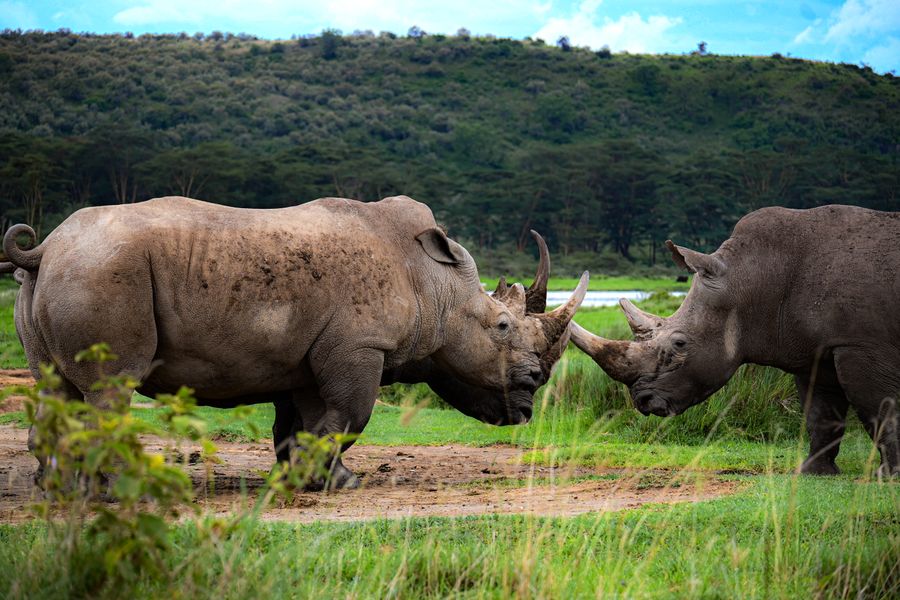
Nakuru's reputation rests on rhino. A fenced sanctuary covers the park, and it is one of the most reliable places in Kenya to see both black and white rhino. Add Rothschild's giraffe, buffalo, lion in the acacia woodland and a soda lake that attracts waterbirds, and you have a varied park in a small space.
Most visitors include Nakuru as one stop on a Rift Valley route with the Masai Mara and Lake Naivasha.
The park wraps around a shallow alkaline lake under the Rift Valley escarpment. Yellow-barked acacia woodland, open grassland and a forest of tall candelabra euphorbia cover the slopes. Baboon Cliff and Out of Africa viewpoint look down over the whole lake. Water levels have risen in recent years, flooding some former shoreline and tracks.
Rhino are the reason most people come, and white rhino in particular are often seen grazing in the open. Black rhino are shyer and keep to thicker bush. The park also has a herd of Rothschild's giraffe, one of the rarer giraffe subspecies, and large numbers of buffalo and waterbuck.
Flamingo numbers on the lake have dropped well below the famous historic peaks as water levels and salinity have changed. Pelicans, cormorants, fish eagles and many other birds remain common.
Game drive around the rhino sanctuary, ideally early morning or late afternoon
Baboon Cliff viewpoint for the view over the lake
Birdwatching along the shoreline
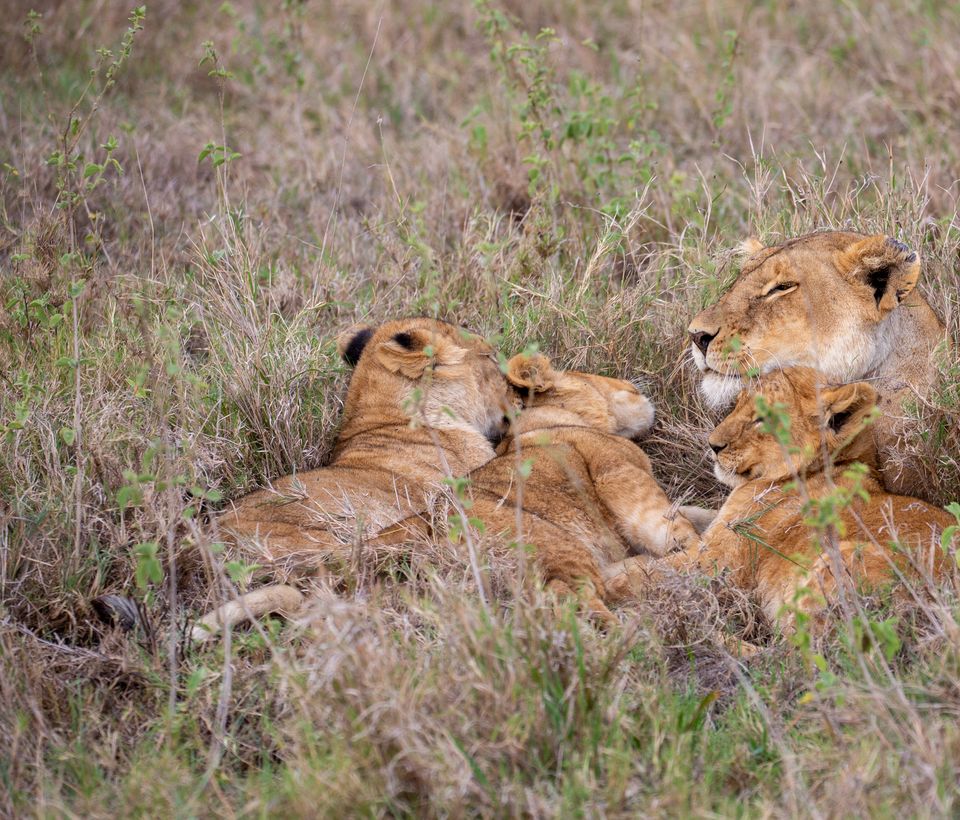
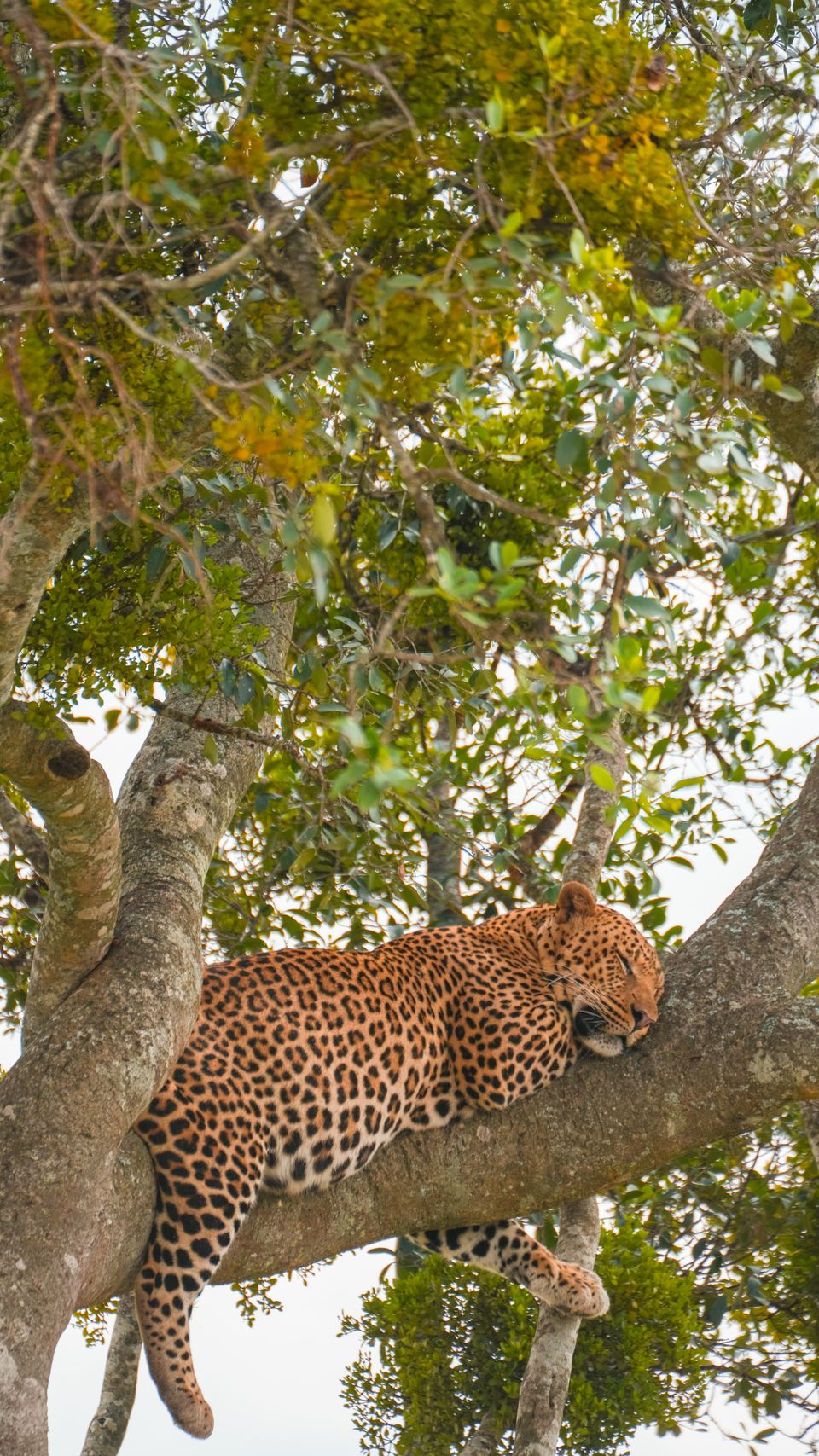
Looking for lions resting in the acacia woodland
A visit to Nakuru usually means an afternoon arrival and a morning drive before moving on. The park road network is short and in good condition, so you can cover most areas without long drives. Because it is fenced, you may see the town's edge in places - this is not a wilderness, but the wildlife density makes up for it.
Nakuru is a year-round park with resident wildlife. The dry months make tracks easier; the wet months turn the woodland green and bring more birdlife, though high water can close some shoreline roads.
Read our full guide: Best Time to Visit Kenya for a Safari, Season by Season »
It is around 2.5-3 hours from Nairobi by road via the Rift Valley escarpment, on the same road as Lake Naivasha. From the Masai Mara, the drive across the Rift Valley takes most of a morning.
There are mid-range lodges and camps inside and just outside the park, plus hotels in Nakuru town. Nakuru does not have the ultra-luxury camps of the Mara. Our Nakuru hotels guide explains the options.
A full day covers most of the park
Park fees are charged per person per 24 hours
Nakuru is at altitude, so nights and mornings are cool
Malaria risk is lower than in hotter, lower parks, but precautions are still advised
Official park info: Kenya Wildlife Service
Possibly, but numbers vary greatly from year to year and have been low recently. We will tell you what conditions are like close to your dates.
Good, though never certain. Because the rhino live within a fenced, managed area, Nakuru is one of the most consistent rhino parks in Kenya.
Yes, but it makes a long day. Most travellers stay a night so they can do an afternoon and a morning drive.
Tell us your dates and we'll build an itinerary that includes it.