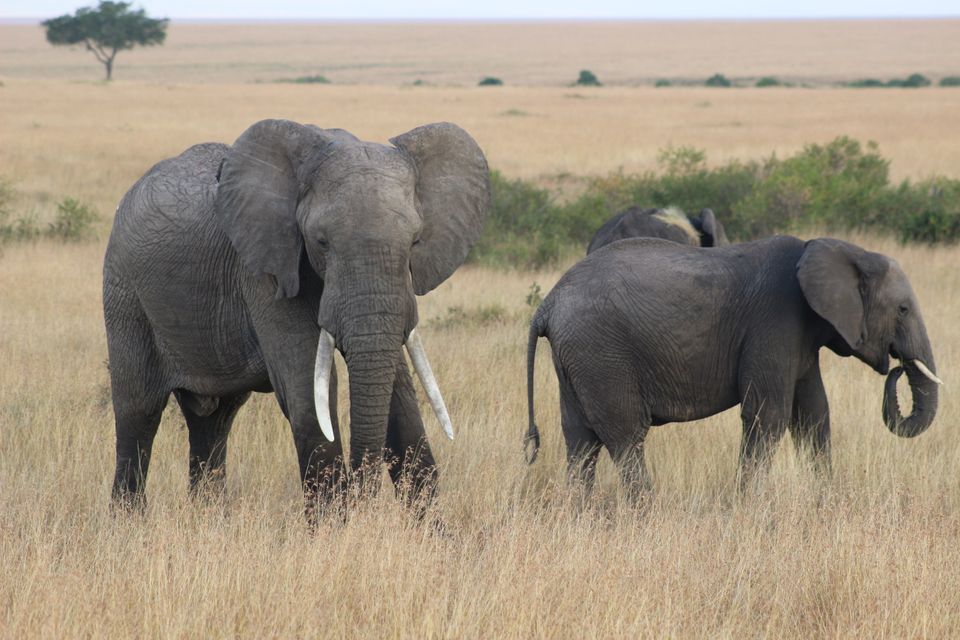
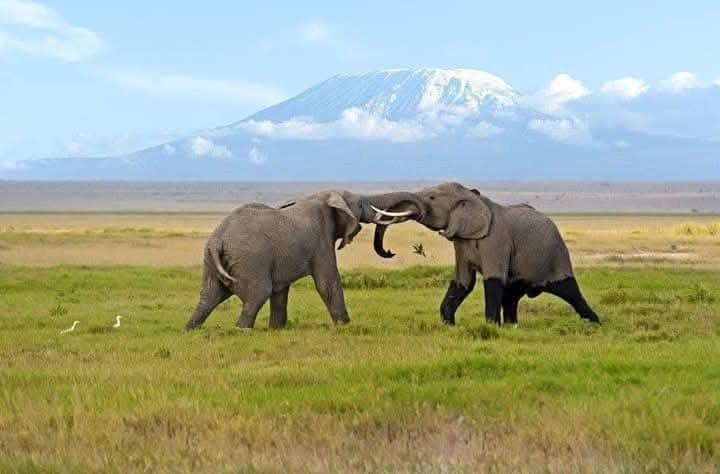
Amboseli National Park is small, flat and open, which makes it one of the easier places in Kenya to watch elephants for long stretches without trees getting in the way. Large family herds move between the dry lake bed and the swamps fed by Kilimanjaro's groundwater, and on clear mornings the mountain itself fills the skyline just across the Tanzanian border.
This three-day trip is built around that. You drive down from Nairobi on day one and have an afternoon game drive, spend all of day two in the park, and fit in one more early drive before heading back. Staying three days rather than two means you can return to the swamps at different times of day, which is when you notice how elephant behaviour changes - feeding in the morning, wallowing and drinking in the heat.
Accommodation is camping, which is how we keep the price down. You still travel in a 4x4 with a pop-up roof and an English-speaking driver-guide, and park fees are included. It suits budget travellers, photographers who want time in one park rather than a long circuit, and anyone planning to continue to the coast afterwards.
Journey at-a-glance:Customize This Journey. Request More Information »
 AMBOSELI NATIONAL PARK
Two nights and three game drives in Amboseli National Park
Close views of elephant herds in the swamps
Early-morning chances of a clear Kilimanjaro view (weather permitting)
Observation Hill, one of the few places in the park where you can step out of the vehicle and look over the swamps
Morning departure from Nairobi, heading south-east towards the Tanzania border area. You arrive at camp around lunchtime. In the afternoon your guide takes you into the park for your first game drive, usually focusing on the swamps where elephants gather in the warmer part of the day.
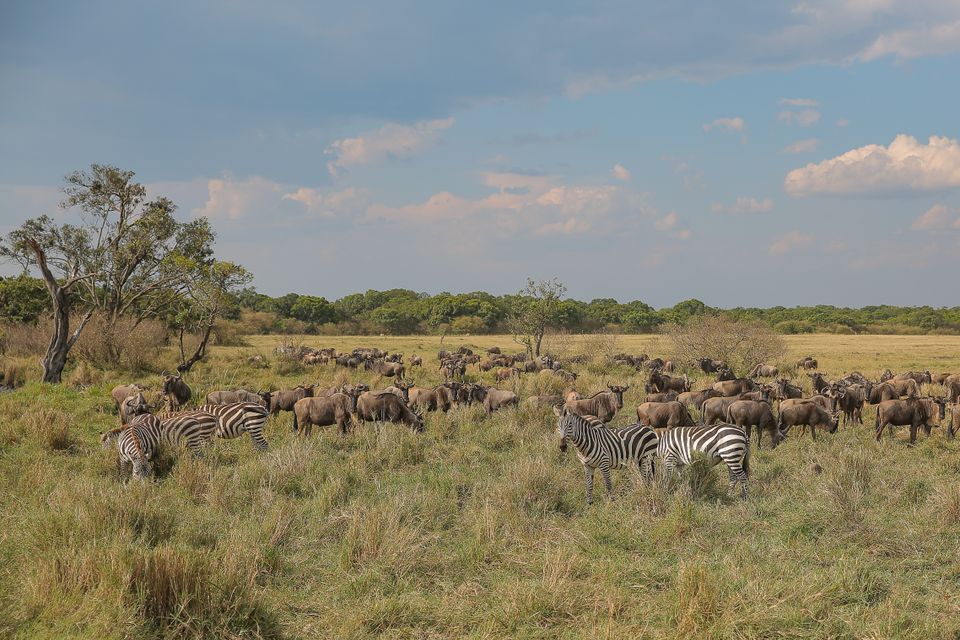
A whole day in the park. The morning gives you the best chance of seeing Kilimanjaro before cloud builds up. During the day your guide works the edges of the swamps and the dry lake bed, where you may see buffalo, zebra, wildebeest, hippo and a wide range of waterbirds alongside the elephants.
The day includes a stop at Observation Hill, a short walk up to a viewpoint over the swamps and plains. You return to camp in the evening.
One last early drive while the air is cool and the mountain is most likely to be visible. Back at camp for breakfast, then you pack up and drive back to Nairobi, arriving in the afternoon.
Planning tip: see our guide on Best Time to Visit Kenya for a Safari, Season by Season.
Accommodation: Two nights at a managed campsite near the park, with twin-share tents, shared washrooms and meals in a communal dining area, run by on-site staff. It is a simple set-up. Ask us if you would prefer a lodge or tented camp and we will quote the difference.
Vehicle: 4x4 safari Land Cruiser with pop-up roof
The dry seasons - roughly June to October and January to February - bring the most wildlife to the swamps and the easiest game viewing. The wet months make the park green and are good for birds, with fewer visitors. Kilimanjaro is most often visible early in the morning in any season.
Full Amboseli National Park destination guide »
There is a good chance but no guarantee. The mountain is often hidden by cloud from mid-morning onwards, which is why our drives start early.
Yes. We use managed campsites with staff on site, and our guides brief you on moving around camp after dark.
Amboseli is lower, hotter and dustier than the Mara. Light layers, a hat, sunscreen and a scarf or buff for dust help during the day; a fleece is useful for evenings and early mornings.
Yes. Many travellers go on to Mombasa or Diani rather than back to Nairobi. Tell us when you enquire and we will plan the onward transfer.
Send us your travel dates and group size and we'll confirm availability and pricing.