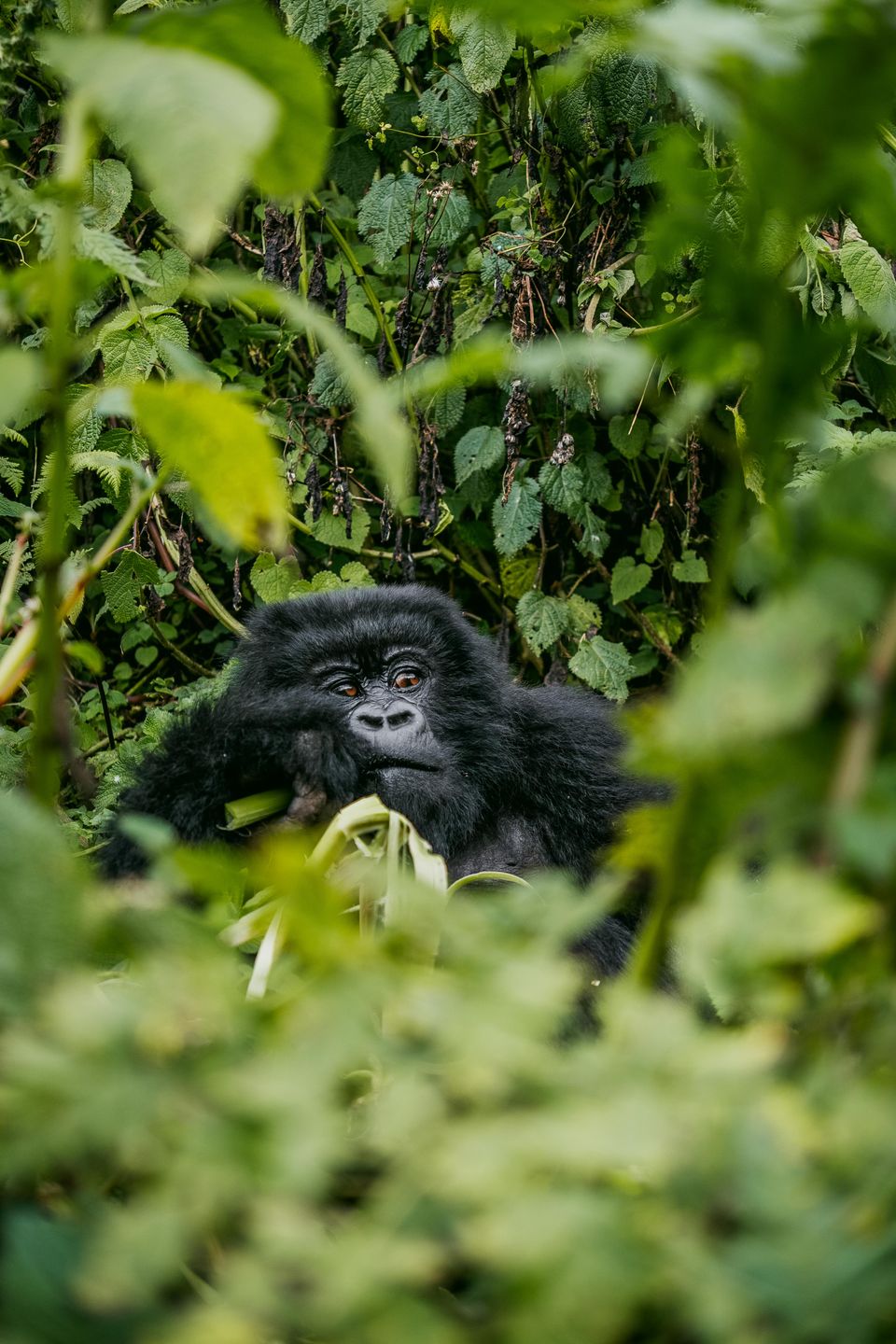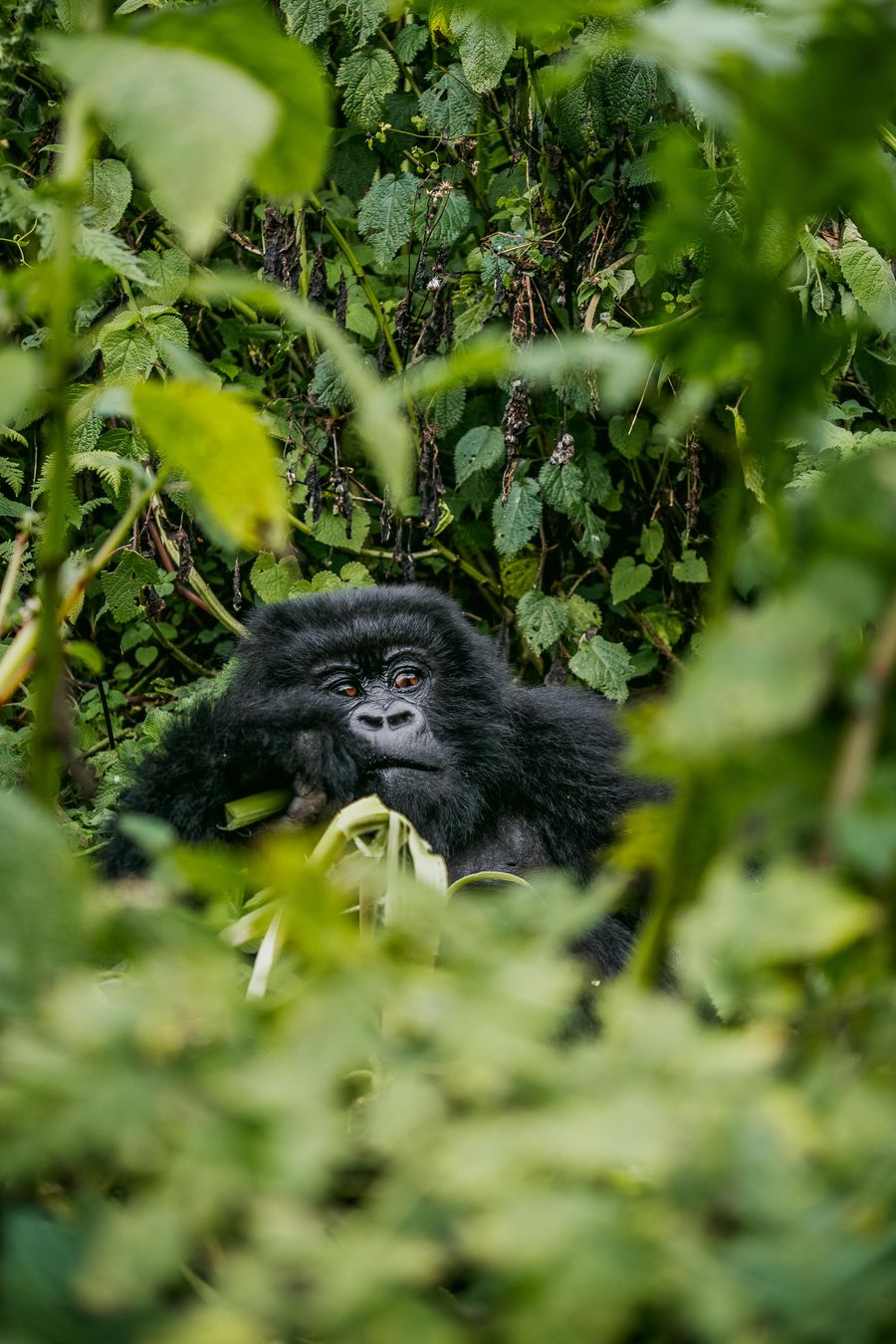
Bwindi Impenetrable Forest in south-western Uganda is home to roughly half of the world's mountain gorillas. Several habituated gorilla families live here, and each day a small number of visitors are allowed to trek to one of them and spend an hour in their company. For most people, that hour is the reason to visit Uganda.
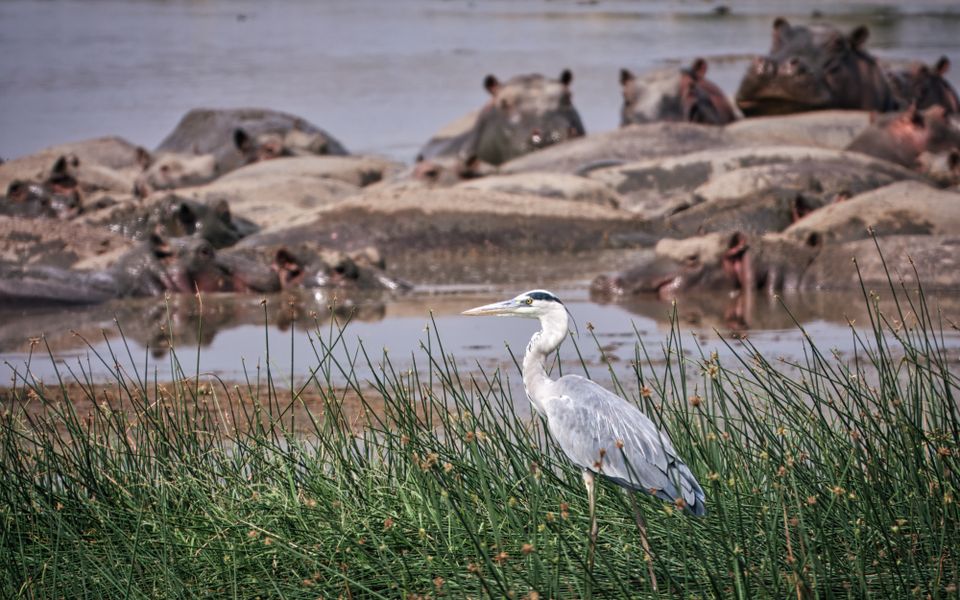
The name is accurate. Bwindi is steep, wet and densely vegetated, and treks can last from under an hour to most of a day depending on where the gorillas have moved. The forest is also one of the richest in Africa for other wildlife, with many primates and a remarkable bird list.
Trekking takes place from four sectors - Buhoma, Ruhija, Rushaga and Nkuringo - each with its own trailheads and lodges. Your permit is for a specific sector, so it decides where you stay. Our gorilla trekking guide explains the day in detail.
Bwindi covers a range of steep, forested ridges and deep valleys at roughly 1,100-2,600m. The forest is ancient and layered, with ferns, vines and tall hardwoods. Mornings are often misty, and paths are frequently muddy. Tea plantations and small farms come right up to the park boundary.
Mountain gorillas are the focus. Once found, you watch a family feed, rest and interact for one hour, usually at a distance of several metres. The forest also holds other primates and many birds found only in the Albertine Rift region, which makes Bwindi a serious destination for birders.
Gorilla trekking with a permit (one hour with a habituated family)
Gorilla habituation experience - up to four hours with a family being habituated, on a separate, more limited permit
Batwa community walk with local guides
Forest and waterfall walks
Guided birdwatching walks
Trekking days start early with a briefing at your sector's park office. Groups of up to eight visitors are assigned to a family and set off with a ranger guide, following trackers who have located the gorillas. Walking sticks and porters are available. The walk can be hard work, but most people say the hour with the gorillas is worth every step.
Gorilla trekking runs all year. The drier months, roughly June to August and December to February, make trails less slippery and are the most popular, so permits sell out earlier. The wetter months still see treks every day.
Read our full guide: Gorilla Trekking in Uganda: How It Works and How to Prepare »
By road from Entebbe or Kampala takes about 8-9 hours, and many trips break the journey at Lake Mburo. Scheduled flights from Entebbe to airstrips near Bwindi take around 1-1.5 hours. Some travellers enter via Kigali in Rwanda, which is closer to the southern sectors by road.
Lodges sit just outside the park near each sector's trailheads, from community-run guesthouses to luxury forest lodges. Check that your lodge is in the same sector as your permit.
Gorilla permits are limited per family per day - book months ahead for peak periods
Minimum trekking age is set by the Uganda Wildlife Authority (currently 15)
Bwindi is cool and damp - pack a rain jacket and layers
Hiring a porter helps on steep sections and supports local families
Official park info: Uganda Wildlife Authority
Anywhere from under an hour to several hours each way, plus one hour with the gorillas. It depends on where the family has moved.
In Uganda, gorillas can also be trekked in Mgahinga Gorilla National Park. Outside Uganda, Rwanda and the DR Congo also offer trekking.
As soon as your dates are confirmed. For June to September and December to February, several months ahead is common.
Availability often decides it. Each sector has its own families and lodges; we match your permit, lodge and route so the logistics work.
Tell us your dates and we'll build an itinerary that includes it.